What Is BPM and Why It Matters for Your Workout
Jordan MillsJune 1, 2026 · 13 min read
The first time a song finally matched someone’s pace, the whole workout changed. Every step felt smoother, breathing felt easier, and the run stopped feeling like a chore. That is the power of BPM-beats per minute-helping music and movement click into the same rhythm. Running coaches have long used music tempo to match pace for exactly that reason.
This is a beginner-friendly overview, not medical advice. If you have a heart, lung, or hearing condition-or any pain during exercise-check with a clinician before changing intensity.
What BPM actually means
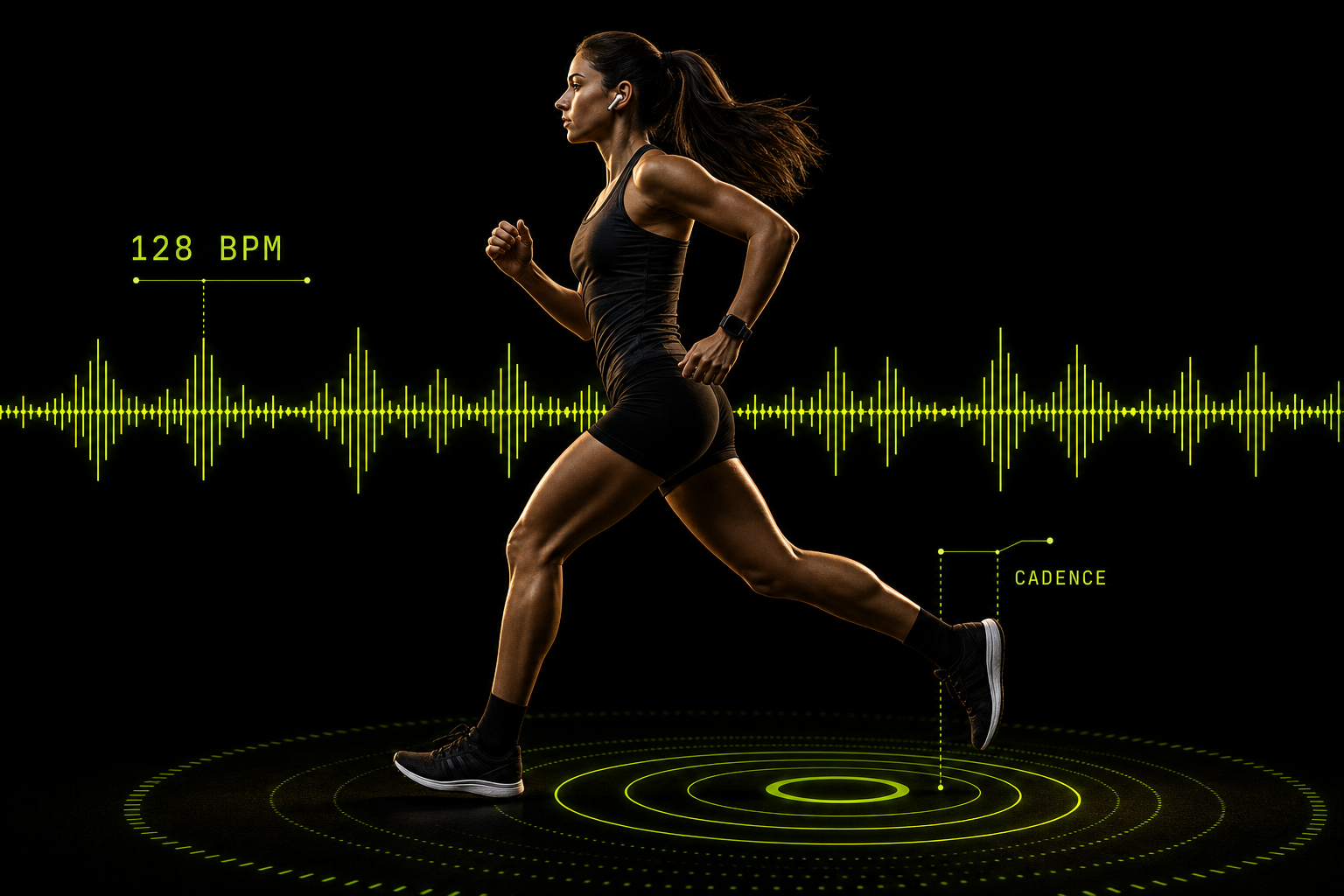
BPM stands for beats per minute-a measure of how fast a song moves. Higher BPM usually means a faster, more energetic track; lower BPM feels calmer. In exercise, BPM shows up two ways: the tempo of the music you hear, and sometimes cadence-how many steps your feet take each minute. Counting beat speed is the same skill musicians use when they train their ear for tempo.
Think of BPM like the speed of a conveyor belt. When the belt moves at the right pace, you keep up without forcing it. Too fast and you feel rushed; too slow and you feel held back. Group-exercise instructors often follow ACSM music tempo guidelines so the beat supports the work instead of fighting it.
Music BPM vs. step rate
Here is where people mix things up. In music, BPM is the song’s tempo. In running or walking, cadence is steps per minute-the rhythm of your feet on the ground. Running cadence and step rate are often discussed separately from playlist tempo because they measure different things.
A track at 160 BPM does not mean you must hit exactly 160 steps per minute-but it can be a useful target. Many runners find 120–140 BPM music fits easier efforts, while faster sessions pair with higher tempos. Guides on optimizing running cadence often cite 160–180 steps per minute for quicker running, depending on pace and experience.
Why it helps
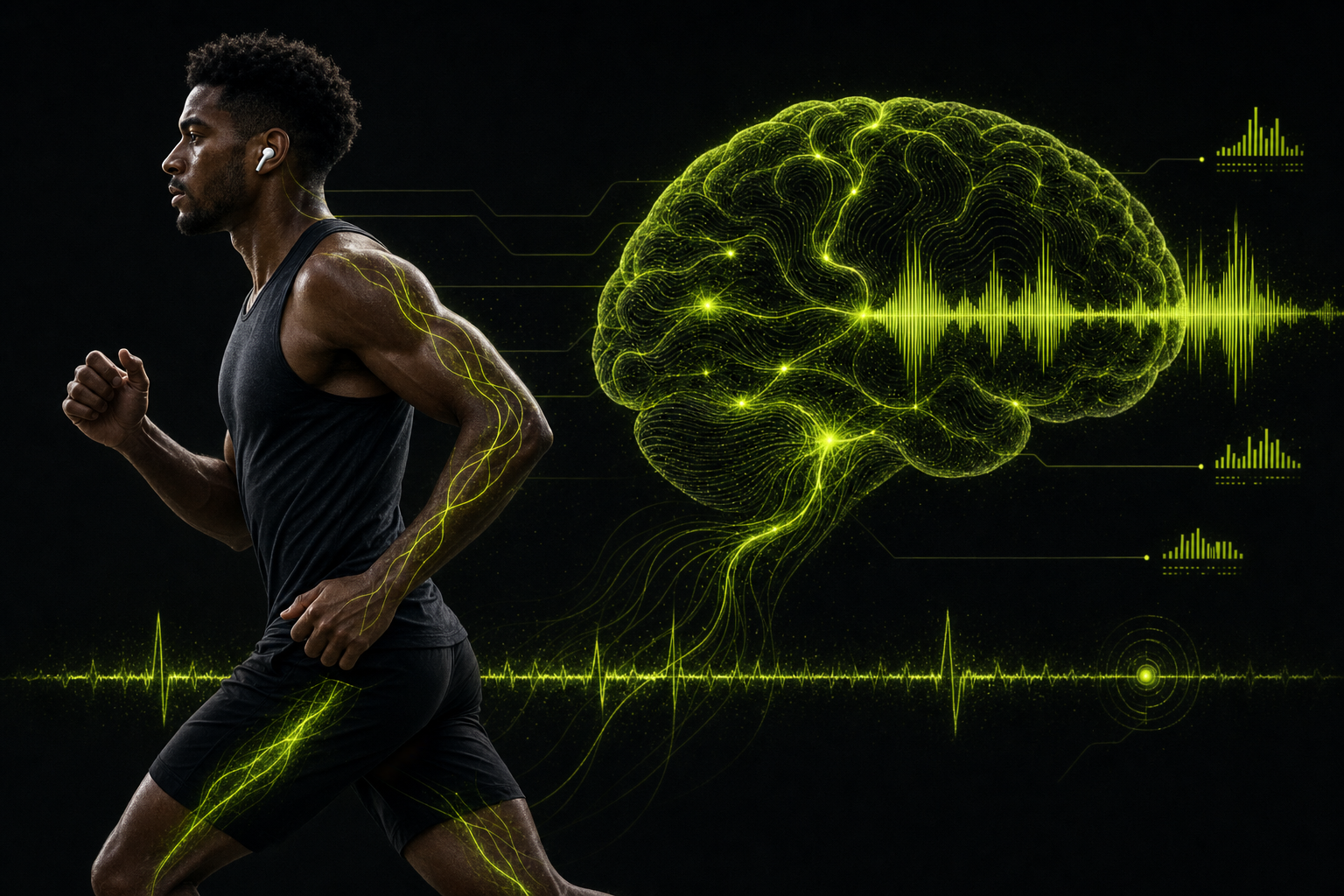
Music can make workouts feel easier and more enjoyable. Summaries of the research consistently show that faster-tempo tracks can lift motivation, lower how hard exercise feels, and support cardio performance. Some reviews also report lower perceived exertion-the same effort feels less taxing when the beat is with you. That pattern is unpacked in more detail in your brain on music during a workout, but the short version is simple: rhythm helps you stay with the work.
Your body likes rhythm. When the beat matches your movement, you stop fighting the session and start flowing with it-like stepping onto an escalator already moving your direction instead of climbing stairs in the dark. Tempo, preference, and timing all matter.
Easy analogies
- Metronome for your body. Musicians use a metronome to stay on beat; workouts use BPM the same way to hold a steady pace.
- Playlist as a pacer. Ever notice a fast song makes you walk quicker without thinking? That is BPM nudging you forward.
- Gear shift in a car. Lower BPM is an easy gear for warmups, walks, or recovery. Higher BPM is a shift up for intervals, tempo runs, or high-energy cardio.
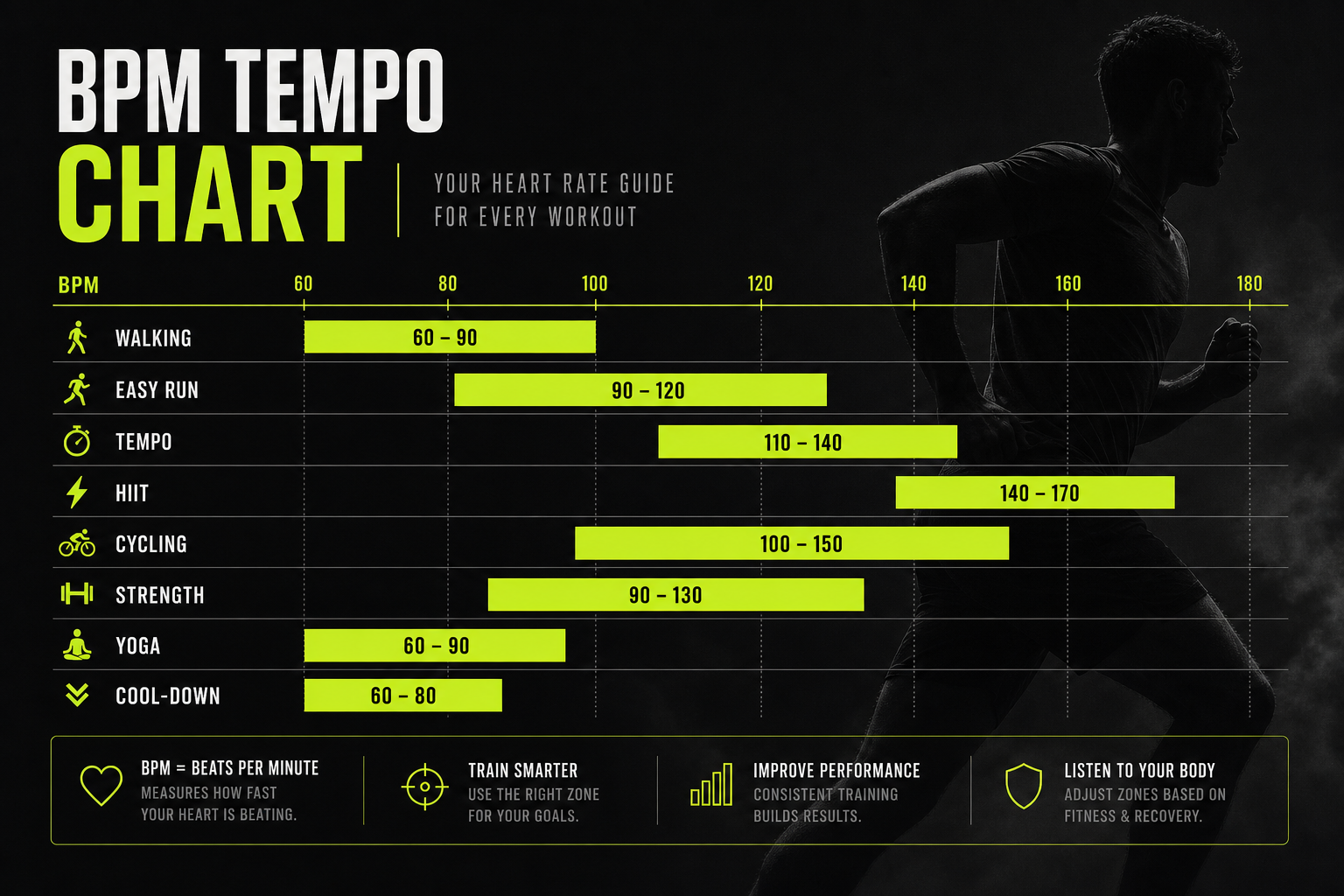
A simple BPM reference
Use this table as a starting point-not a rulebook. Fitness level, stride length, and comfort all change what feels right.
| BPM | Good fit |
|---|---|
| 100 | Warm-up, recovery walk, cool-down. |
| 120 | Brisk walk or easy jog. |
| 130 | Steady cardio, light run, or energetic gym session. |
| 140 | Faster run, stronger effort, or intense cardio. |
| 160 | Tempo run or quicker cadence work. |
| 170–180 | Faster running cadence for many runners. |
What the research says
Evidence supports music tempo as a training tool-especially for repetitive, aerobic, rhythm-based work. One research roundup notes that 120–140 BPM can support cardio and strength sessions, while faster tempos may boost performance and enjoyment on harder efforts.
There is also a heart-rate angle. Target heart rate is often described as a percentage of maximum heart rate; many guides estimate max with 220 minus your age as a rough starting point. Moderate work often sits around 50–70% of max; vigorous work around 70–85%.
That matters because BPM-based playlists can track effort: a slower beat helps you stay controlled in warmup; a faster beat supports the push when heart rate climbs. Match the tempo to the phase you are in, not the average of the whole workout. When you are ready to go past the basics, how music tempo affects pacing and stress response picks up where this guide leaves off. Different cardio styles need different tempos-see HIIT vs LISS vs MISS compared for zone-by-zone pacing.
How to use BPM today
- Pick one workout and match music to the pace you *want*, not the pace you drift into.
- Walk? Try songs around 120 BPM. Tempo run? Move toward 160 BPM. Intervals? Faster tracks that make you feel switched on.
- Count your steps for one minute to find natural cadence, then compare with songs you already like. Too slow and your feet wander; too fast and you tense up. The goal is a rhythm that feels natural and repeatable.
- Log how it felt, not just pace. Tempo is a tool for adherence and RPE-preference and session type matter as much as the number on the label.
Why BPM matters
BPM turns music from background noise into a training tool. It can improve warmups, steady pacing, and mental engagement long enough to finish strong. For beginners, that can mean the difference between quitting early and looking forward to the next session.
It is also one of the easiest fitness hacks available: no expensive gear, no complicated setup-just the right song at the right time. Once you feel that match between beat and breath, it is hard to go back.
Repbeats is built to auto-match BPM to your real-time heart rate so your workout stays in sync without manual playlist surgery. If you want every run, walk, or sweat session to feel natural from the first song to the last, founding-member waitlist for Repbeats is open now.