Top 6 Rock My World Media Alternatives 2026
Jordan MillsJuly 17, 2026 · 20 min read

Top 6 Rock My World Media Alternatives 2026
Finding an adaptive workout music app that reliably syncs tempo with your effort and supports your music and device preferences is more difficult than expected. Many alternatives limit you to fixed playlists, restrict wearable or streaming service choices, or have unpredictable customer service and delivery issues. This comparison covers music adaptation features, device compatibility, and reliability so gym owners, trainers, and exercisers can choose an app that fits their workouts and tech setup.
Table of Contents
Repbeats
At a Glance
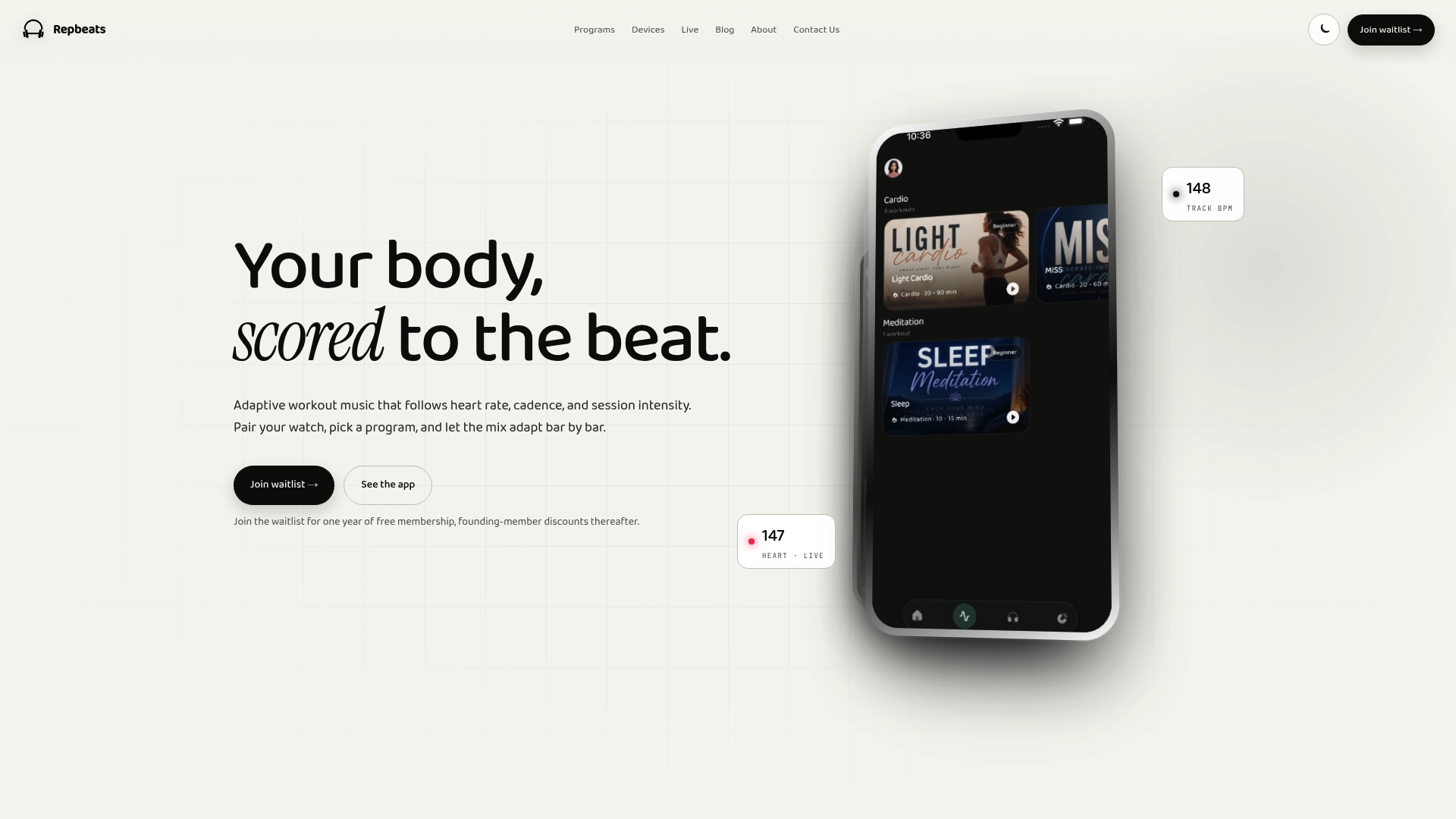
Repbeats connects live heart rate and cadence from Apple Watch, Fitbit, and Whoop to change playlist tempo to match workout effort. The app adapts BPM in real time for guided cardio and meditation sessions. Early access is available through a waitlist during the pre-launch phase.
Core Features
Repbeats adapts playlist tempo to heart rate and cadence, and it adjusts BPM in real time based on biometric inputs. The app offers guided cardio and meditation programs with in-session controls for playback and workout monitoring. Session planning tools, data export and deletion controls, and streaming through Apple Music or Spotify Premium complete the experience.
Key Differentiator
Repbeats reads live biometric streams from wearables and maps those inputs directly to music tempo during workouts. That mapping operates continuously so tempo shifts follow immediate changes in heart rate and cadence. The result is a soundtrack that changes with measured effort rather than fixed playlists.
Pros
Repbeats provides real-time BPM adjustment that keeps music tempo aligned with your effort zones, which helps you hold pace during intervals and steady-state training. It integrates with common wearables such as Apple Watch and Fitbit, and it streams through Spotify Premium or Apple Music so you keep familiar tracks. Privacy controls let you export or delete session metrics, and session planning features reduce the time you spend curating playlists.
Cons
- Limited device compatibility and feature polish while the app remains in pre-launch beta, which may require waiting for broader wearable support.
Notable Integrations
- Apple Watch
- Fitbit
- Whoop
- Apple Music
- Spotify Premium
Who It’s For
Repbeats fits runners, cyclists, and gym-goers who already use wearables and stream music. It suits people who want music to follow effort zones rather than forcing a fixed playlist. It is less useful for listeners without a compatible wearable or a paid streaming account.
Unique Value Proposition
Connects your Apple Watch, Fitbit, or Whoop and turns live biometric data into tempo-matched music that keeps you in target effort zones. That reduces time spent manual playlist switching during workouts and helps maintain consistent pacing. For interval sessions, that workflow replaces stop start song changes with continuous audio feedback tied to measured effort.
Real World Use Case
A runner pairs an Apple Watch and Spotify Premium, sets interval targets in the session planner, and starts a Repbeats workout. As heart rate rises on hard intervals the app raises BPM to match intensity. During recovery segments the tempo falls, which helps the runner stick to prescribed effort without checking pace or watch constantly.
Pricing
Repbeats is currently free during pre-launch with early access via a waitlist. The vendor states paid plans and discounts may apply after launch, but no post-launch pricing tiers are publicly listed yet.
Website: https://repbeats.com
Pure Energy Music
At a Glance
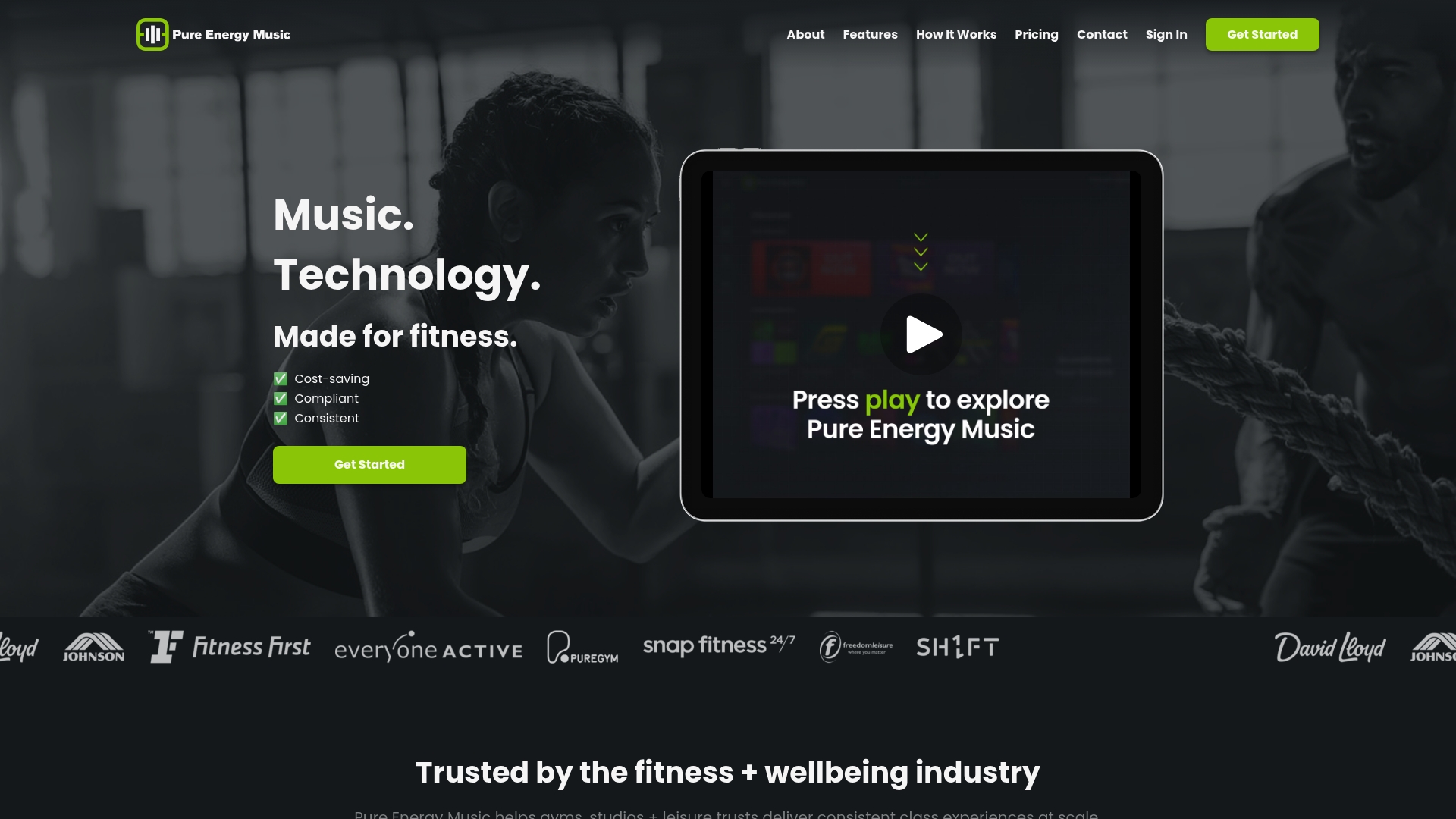
Third party reviews show predominantly negative sentiment, with many users reporting non delivery and scam like behavior. The company also advertises rights included music and purpose made tracks for fitness. That contrast between marketing and user reports is the most striking fact about this service.
Core Features
Pure Energy Music organizes music by discipline, genre, time of day, and training zone while offering fitness specific production by experienced producers. The platform includes built in instructor tools such as a BPM controller, interval timer, and playlist builder that let instructors pace sessions and structure intervals. The service also covers online licensing and offers custom music production for studios and multi site operators.
Key Differentiator
The clearest differentiator is the integrated instructor toolkit paired with curated workout tracks. Tools like the BPM controller and interval timer work inside the same app as the music library. That keeps pacing controls and playlists together for instructors who prefer one interface for class flow and music.
Pros
The service offers rights included music engineered specifically for exercise, which removes licensing hassle for studios and trainers. The company says it is trusted by major fitness brands, and the platform provides scalable options for multi site operators. The app supports discovery and tailored recommendations, helping instructors build consistent playlists across classes and locations. Some customers report responsive support and quick delivery in isolated cases.
Cons
-
Numerous third party reviews claim non delivery, tracking failures, or scam like behavior, which raises red flags for buyers.
-
Many reviewers report unresponsive or unreliable customer service, making problem resolution difficult for studio owners.
-
Reported fulfillment issues suggest risk when ordering physical products or timely access to licenses.
When It May Not Fit
Avoid this service if you need rock solid order fulfillment and a dependable support SLA for multiple sites. The reported delivery and support failures mean higher operational risk for teams that cannot tolerate gaps in music access. Buyers should perform extra due diligence before committing to studio or enterprise plans.
Who It’s For
This product fits fitness professionals, gym owners, personal trainers, and studio managers who need instructor controls and rights included music. It suits operators who value in app pacing tools and curated playlists and who are willing to verify fulfillment and support reliability first. It is less appropriate for buyers who cannot accept potential service interruptions.
Real World Use Case
A gym runs floor music and classes from a single account, using the interval timer to time circuits and the BPM controller to match music to class intensity. Instructors pull curated playlists by discipline to keep energy consistent across sessions. The rights included model simplifies licensing for group classes and facility background music.
Pricing
Plans start at £19.99/month for individuals, with studio and multi site tiers available. Enterprise options require contacting the vendor for custom pricing and terms. Visit the site for plan details and purchase steps.
Website: https://pureenergymusic.com
Gymmusic
At a Glance
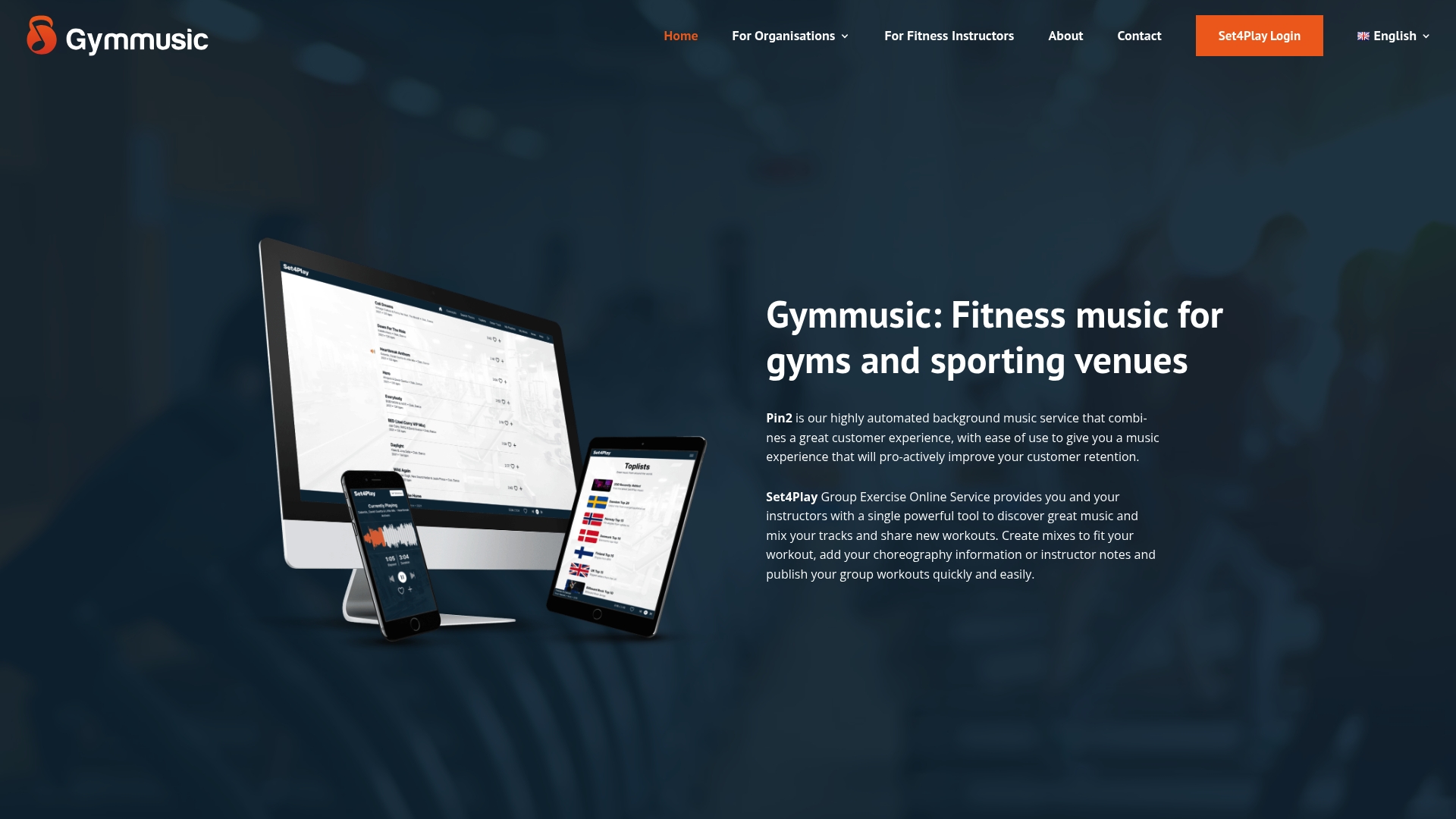
Gymmusic serves major clients like David Lloyd Clubs and Fitness24seven, focusing on licenced music and voice services for fitness venues. The company has offered fitness-specific audio products since 2010 and packages tools for background music, group training, and voice messaging. Its offerings aim to reduce copyright risk while keeping gym floors energetic.
Core Features
Gymmusic bundles automated scheduling with tempo and genre controls and maintains continuous library updates, plus tools for instructor playlist creation. The platform includes Pin2 background music and Set4Play group training playback alongside voice messaging for announcements and promotions. Offline playback support helps venues that lose connectivity or need emergency audio.
Key Differentiator
Gymmusic centers on automated scheduling tuned to fitness operations and on voice tools built for class and facility communication. This focus places music and messaging into a single workflow for clubs that run multiple daily classes and shift schedules. Continuous library updates and prebuilt genre and top-list filters shorten the time staff spend on playlists.
Pros
The suite maps to gym workflows, combining background music, class playlists, and announcements in one place, which saves staff time. Licensed and royalty-free selections reduce exposure to copyright disputes. Offline playback and enterprise options support multi-club rollouts and locations with unreliable internet. Some customers report good product quality and responsive service in certain cases, which points to usable support during successful deployments.
Cons
-
Recurring reports of order delivery delays and support non-responsiveness have created inconsistent experiences for some buyers.
-
App navigation can feel confusing to staff who expect simple, fast controls for classes and playlists.
-
Some users report variable music quality and mention unexpected costs tied to contracts or add-ons.
-
Negative reviews cite unfulfilled orders and customer service failures that have damaged the vendor reputation in certain markets.
When It May Not Fit
If you need 24/7, highly responsive support for rapid rollouts, Gymmusic may not match expectations. Clubs that require guaranteed delivery timelines should be cautious because order fulfillment delays appear in feedback. If mobile staff prefer a minimal app with straightforward controls, reported navigation issues could slow adoption. High-fidelity studio playback expectations may not align with the variable music quality some users describe.
Who It’s For
Gym owners, fitness chains, and class instructors who need automated, licenced audio and built-in voice announcements will find Gymmusic relevant. The product fits facilities that run many scheduled classes and want centralized control of music and messaging. It also suits chains planning enterprise deployments with offline playback needs.
Real World Use Case
A regional gym uses Pin2 to schedule music by opening hours and to filter explicit lyrics for family-friendly times. Staff use voice messaging to announce classes and promotions across multiple rooms. Offline playback saved a branch from silence during a brief internet outage and kept the group training schedule on track.
Pricing
Pricing is not specified publicly. Gymmusic typically sells via subscription plans or service contracts and offers free trial options in many cases. For enterprise deployments, vendors usually negotiate service terms and pricing directly with chains.
Website: https://gymmusic.com
MapMyFitness
At a Glance
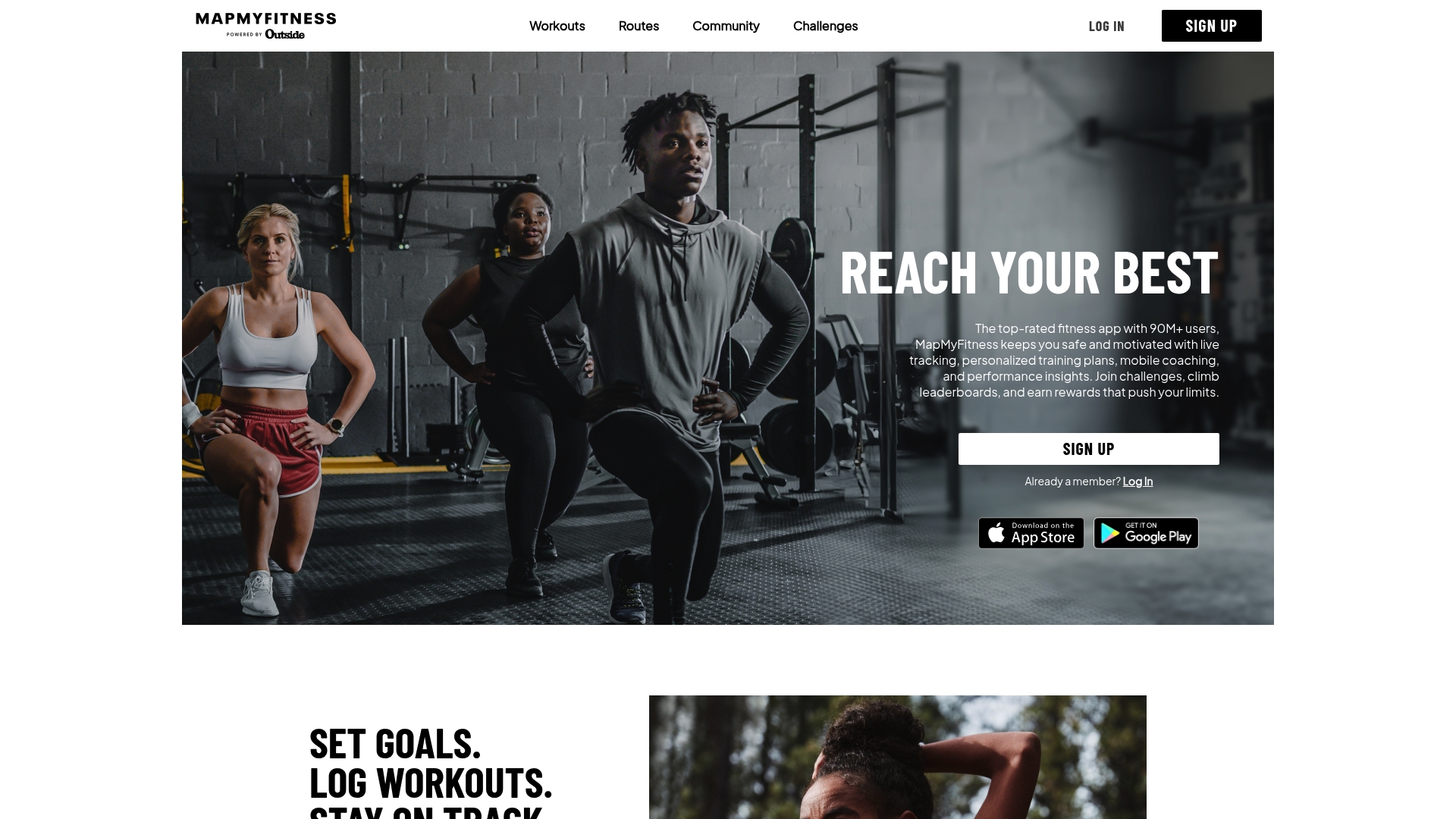
MapMyFitness reports over 90 million users. It pairs live route mapping, personalized training plans, and community challenges with a paid MVP tier for dedicated athletes. The app offers local route finding and broad device synchronization, though GPS accuracy and app stability can vary by environment.
Core Features
The app includes live safety tracking, workout logging with performance insights, interval training, and voice coaching during sessions. A substantial exercise video library on iOS and Android supports custom routines and guided workouts. Device synchronization covers Apple Watch, Garmin, Polar, and Suunto, and weather condition integration helps you plan outdoor sessions.
Key Differentiator
MapMyFitness centers on community features and an extensive routes database. That emphasis makes group challenges, leaderboards, and local route discovery the core appeal for social athletes. This focus serves people who want route sharing and competition rather than music-driven pacing.
Pros
Comprehensive activity tracking spans walking, running, cycling, and many outdoor workouts, and the free tier keeps core tools accessible. Integrations with Apple Watch and Garmin let you pull device data into a single activity log when syncing functions properly. The interface is generally intuitive, community challenges sustain motivation across months, and local route finding simplifies planning for unfamiliar cities. Audio coaching alerts and interval templates let athletes structure sessions without a separate timer.
Cons
- Inaccurate GPS tracking, especially in dense urban canyons, can misreport pace and distance and skew training metrics.
- Frequent app crashes and technical errors interrupt workouts and force manual restarts or lost data recovery.
- Excessive and intrusive advertising degrades the free-tier experience and becomes distracting during sessions.
- Sync problems sometimes prevent workouts from saving to your account or to connected devices, requiring repeats.
When It May Not Fit
If you depend on flawless GPS for complex city routes, MapMyFitness may not meet that need. Coaches and athletes who require guaranteed session integrity should avoid apps with reported crashes and sync failures. If you prefer an ad-free experience without upgrading, look for alternatives with fewer ads.
Notable Integrations
- Apple Watch — device synchronization supported for workouts and routes.
- Garmin — syncs routes and activity logs.
- Polar — compatible for importing exercise data.
- Suunto — connects for outdoor activity tracking.
Who It’s For
Casual and serious runners, cyclists, and outdoor fitness participants fit this app best. Choose it if you want community challenges, route discovery, and syncing across common wearables. It suits athletes who prioritize social competition and shared routes more than audio-driven pacing.
Real World Use Case
A marathon runner plans city routes, logs interval workouts, and joins monthly challenges to compare splits with peers. They sync Apple Watch sessions to MapMyFitness, export runs for coach review, and use route discovery to find safe race rehearsal paths.
Website: https://mapmyfitness.com
Peloton
At a Glance
Peloton says it provides access to over 10,000 live and on-demand classes across cycling, strength, yoga, running, boxing, rowing, and meditation. The brand pairs that library with connected bikes, treadmills, and a Row+ option that include large onboard screens. The company advertises financing and a 30-day home trial, though some users report hardware and support problems.
Core Features
Peloton ships stationary fitness equipment equipped with integrated screens and live class streaming, and it ties those screens to an interactive leaderboard and performance tracking. The service delivers instructor-led sessions across many disciplines and uses Peloton IQ for personalized recommendations and progress insights. Community features, class scheduling, and performance metrics keep workouts social and measurable.
Key Differentiator
The standout element is the combination of large integrated screens and a live, instructor-led community that drives engagement during classes. That mix makes Peloton equipment feel like a guided studio experience at home rather than a simple exercise machine. Compared with Repbeats, Peloton focuses on instructor cues and hardware immersion rather than music that adapts to live biometric data.
Pros
Peloton offers a wide roster of instructors and class formats that keep workouts varied and accessible for beginners and advanced exercisers. The integrated screens and leaderboard create a clear social push that helps many people stay consistent. Financing options and a 30-day trial lower the barrier to test the hardware in your home. Some buyers report smooth installations and helpful staff for setup.
Cons
- High upfront price and ongoing subscription costs that put it out of reach for budget shoppers.
- Mechanical or screen failures reported by some customers, which suggests possible durability concerns.
- Customer service complaints and delivery or setup delays that can leave users waiting for repairs or replacements.
- Reports of difficulty canceling subscriptions or unexpected charges for some members.
When It May Not Fit
If you want a music-first workout that adjusts tempo to your heart rate, Peloton is not tailored to that need. Buyers on a tight budget will find the initial equipment cost and monthly membership prohibitive. People who prioritize lightweight gear or frequent moves may prefer a portable setup rather than large stationary machines. Those who need highly responsive after-sales support should plan for potential service delays.
Who It’s For
Peloton fits users who value guided classes, instructor motivation, and equipment that resembles a boutique studio. It suits home exercisers willing to pay for immersive hardware and a broad class catalog. The platform matches buyers who want social features and measurable performance tracking during daily workouts.
Real World Use Case
A homeowner adds a Peloton Bike to a spare room and uses daily cycling and strength classes to build consistency. They follow leaderboard stats and Peloton IQ recommendations to raise cadence and power over weeks. Classes across yoga and meditation fill recovery days without leaving the house.
Pricing
Prices range from $1,340 for the Basic Cross Training Bike to $5,595 for the Tread+. Financing options are available, and a subscription is required for full library access. Membership fees apply monthly and cover live classes, on-demand sessions, and performance tracking.
Website: https://onepeloton.com
Zwift

At a Glance
Supports outdoor bike conversion with Zwift Ready Trainers and all in one smart bikes such as Zwift Ride. The platform pairs virtual routes with structured sessions and social events to keep rides varied. Many members use it for both steady endurance work and short interval sessions.
Core Features
Zwift delivers large virtual cycling and running worlds, a broad library of workouts and multiple route options that change by difficulty and terrain. The platform schedules group rides, timed races, and training plans while rewarding progression with levels and in the app achievements. It also connects to common smart trainers and bikes for live data and automatic resistance control.
Key Differentiator
The vendor advertises a massive global community that fuels frequent live events and clubs. That scale shows up in daily group rides, series races, and public meetups where members of all levels race or ride together. The social engine makes solo home training feel like a scheduled group session.
Pros
Zwift creates a highly engaging virtual environment that keeps people coming back for regular sessions and events. Its social features let members join clubs, schedule group rides, and chat while riding, which helps motivation. The mix of personalized plans, free workouts, and organized races gives both casual riders and competitive athletes practical training structure, and device support covers many smart trainers and smart bikes.
Cons
- Customer support is often slow and impersonal. Responses can take time and lack detailed troubleshooting.
- Hardware compatibility and connectivity issues are reported. Some members face pairing problems with older trainers.
- The monthly subscription fee is high for occasional users. That adds up if you ride only a few times per month.
- Some members report inaccurate power or ride data. That can complicate precise training and race results.
When It May Not Fit
Requires compatible smart trainers or bikes, so members without that hardware will not get full functionality. People who do not want to spend time on technical setup may find the platform frustrating. Those who prioritize rock solid data accuracy for power testing may need a secondary method to verify numbers.
Who It’s For
Indoor cyclists and runners who value social connection, event calendars, and gamified progression. Riders who train with power and want structured plans will get the most from the platform. Casual exercisers who prefer simple plug and play may find it more complex than they want.
Real World Use Case
A professional cyclist uses Zwift to follow a weekly power based plan while simulating race climbs and finishes. They join organized races to practice pack tactics and use group rides to keep form during travel periods. Club events provide regular competition and accountability when outdoor training is limited.
Website: https://zwift.com
Comparison of Alternatives
Real-time music pacing through biometric feedback sets Repbeats apart from its competitors. By comparing its performance to alternative platforms, users can identify the best fit for their exercise routines.
Biometric Response Versus Social Features
Repbeats excels in dynamically adjusting music tempo based on live biometric data, keeping users’ effort aligned with audio pacing, especially during cardio and interval training. In contrast, MapMyFitness emphasizes route discovery and community engagement, which appeals more to outdoor enthusiasts and those motivated by social challenges. While Repbeats focuses on internal metrics for performance improvement, MapMyFitness facilitates external motivation through group leaderboards and route planning.
Integrated Class Management Tools
Pure Energy Music offers instructor-focused tools within its platform, such as interval timers and BPM controllers, while providing curated and rights-included playlists. Gymmusic further enhances operational control for clubs with integrated scheduling and voice announcement tools. These features attract professional users managing organized fitness classes. Users seeking automated class operations may prefer these alternatives over Repbeats, which centers on individual music-paced workouts.
Best Fit
- Workout enthusiasts valuing biometric-based song pacing will find Repbeats effective for personalized cardio and interval sessions.
- Instructors needing integrated class management tools are likely to prefer Pure Energy Music for its tailored playlist and pacing functionalities.
- Club operators prioritizing automated scheduling with voice announcements may see Gymmusic as a strong choice for facility-wide deployment.
- Fitness participants preferring social route discovery tools should consider MapMyFitness for its community engagement and planning features.
- Home exercisers seeking extensive guided class libraries can look to Peloton for its immersive coaching options and bundled equipment.
Our Pick
Repbeats is the standout option for individual users who prioritize music pacing aligned dynamically with their workout intensity. Its unique approach translates live biometric data into responsive audio feedback, creating a personalized and effort-driven experience. However, users requiring instructor-focused controls or extensive class libraries may find alternative platforms better aligned with their needs.
Improving workout music adaptation to real-time metrics is a goal several platforms aim to address. Compare leading solutions:
| Platform | Core Feature | Key Differentiator | Best For | Limitations |
|---|---|---|---|---|
| Repbeats | Adapts music tempo to real-time biometrics | Maps heart rate and cadence to beats per minute | Wearable users who stream music during workouts | Pre-launch status limits device compatibility |
| Pure Energy Music | Curated workout tracks with instructor tools | Integrated BPM control and interval timer | Fitness instructors requiring session customization | Reports of support issues and non-delivery |
| Gymmusic | Background music and voice messaging | Automated scheduling for fitness centers | Fitness venues implementing multi-class operations | Reports of inconsistent service quality |
| MapMyFitness | Community-based activity tracking and routes | Emphasis on route sharing and social challenges | Outdoor exercise enthusiasts | GPS accuracy and app stability vary |
| Peloton | Guided classes via connected equipment | Integrated screens with live instructor interaction | Home fitness users desiring a diverse library | High upfront and subscription costs |
| Zwift | Virtual cycling and training worlds | Social event scheduling and gamified progression | Indoor cyclists seeking simulation training | Hardware compatibility issues and support delays |
How Can Adaptive Music Improve Your Workout Experience Compared to rockmyworldmedia.com alternatives?
Many fitness professionals, gym owners, and athletes want music that matches their workout intensity naturally. Fixed playlists do not change tempo based on effort, making pacing difficult. Repbeats solves this by syncing music tempo in real time to heart rate and cadence from Apple Watch, Fitbit, and Whoop devices. This lets your music reflect your current effort without manual playlist changes.
Repbeats turns your wearable data into music that helps maintain target zones during intervals and steady workouts. It works with Apple Music and Spotify Premium so you can keep your favorite tracks while training smarter. Visit Repbeats to learn how adaptive BPM music can help you focus on performance rather than stopping to switch songs. Start a session plan and let your workout intensity control the soundtrack.
FAQ
How does Repbeats adjust music tempo during workouts?
Repbeats continuously adapts the playlist tempo to your heart rate and cadence for real-time alignment with your workout effort. This feature allows you to maintain target effort zones, improving your training efficiency. Runners can particularly benefit by keeping pace during interval training and steady-state sessions.
What is the difference between Repbeats and Pure Energy Music?
Pure Energy Music offers rights included music tailored for fitness and additional tools like a BPM controller and interval timer within the same app. Repbeats, on the other hand, focuses on real-time biometric inputs to change music tempo while you exercise. For users looking for adaptive music tied to their effort, Repbeats is the ideal choice.
Can I use Repbeats with any wearable device?
Repbeats connects with popular devices like Apple Watch, Fitbit, and Whoop. These options allow seamless integration for real-time music adjustment based on biometric data. Without a compatible wearable, users may miss the full experience that Repbeats offers.
Which platform offers guided cardio sessions, Repbeats or Gymmusic?
Repbeats provides guided cardio and meditation sessions while adapting music in real-time, making it an excellent choice for those who want an interactive workout experience. Gymmusic focuses more on background music and messaging for fitness venues, which may not suit individual exercisers looking for tailored workout sessions.
What unique value does Repbeats provide compared to Zwift?
Repbeats transforms live biometric data into tempo-matched music specifically for workouts, while Zwift creates a virtual social environment for cycling and running enthusiasts. Those seeking personalized music that adapts to workout intensity should opt for Repbeats to enhance their training sessions.