Personalize Music for Gym Sessions: Your 2026 Guide
Jordan MillsJuly 13, 2026 · 10 min read
Personalize Music for Gym Sessions: Your 2026 Guide
TL;DR:
- Personalizing workout music using biometric data and AI enhances motivation and performance beyond static playlists. Different methods, including manual, AI-driven, and biometric integration, allow users to tailor music to their exercise type and effort level. Adaptive platforms like Repbeats adjust tracks in real time, ensuring the soundtrack evolves with workout intensity for optimized results.
Personalizing music for gym sessions is the practice of tailoring your workout soundtrack to your exercise type, intensity, and biometric data to maximize performance and motivation. The industry term for this is adaptive workout music, and it goes far beyond picking your favorite songs. AI-driven audio technology now analyzes heart rate and running cadence in real time to adjust track rhythm, replacing static playlists with dynamic soundtracks that evolve with your effort. Research confirms that personalization modulates cortisol and reward circuitry in the brain, directly affecting physical output. The result is a workout that feels harder to quit and easier to push through.
How to personalize music for gym sessions: start with your workout type
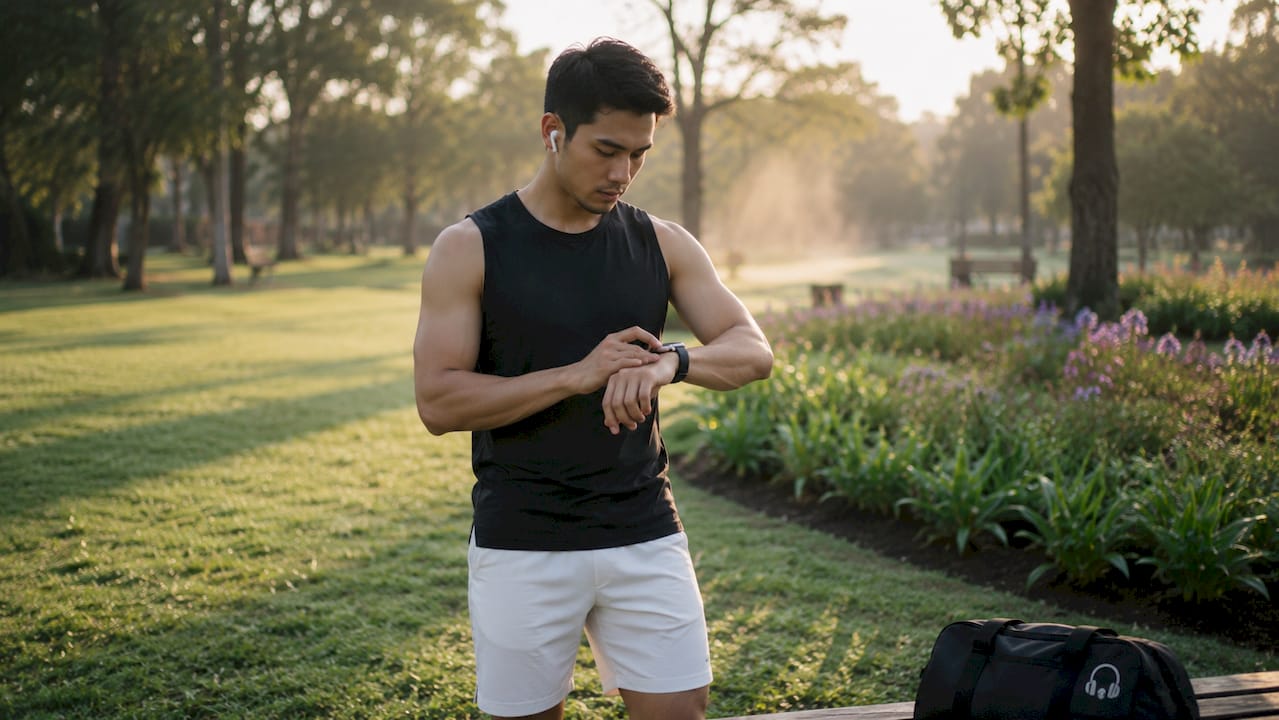
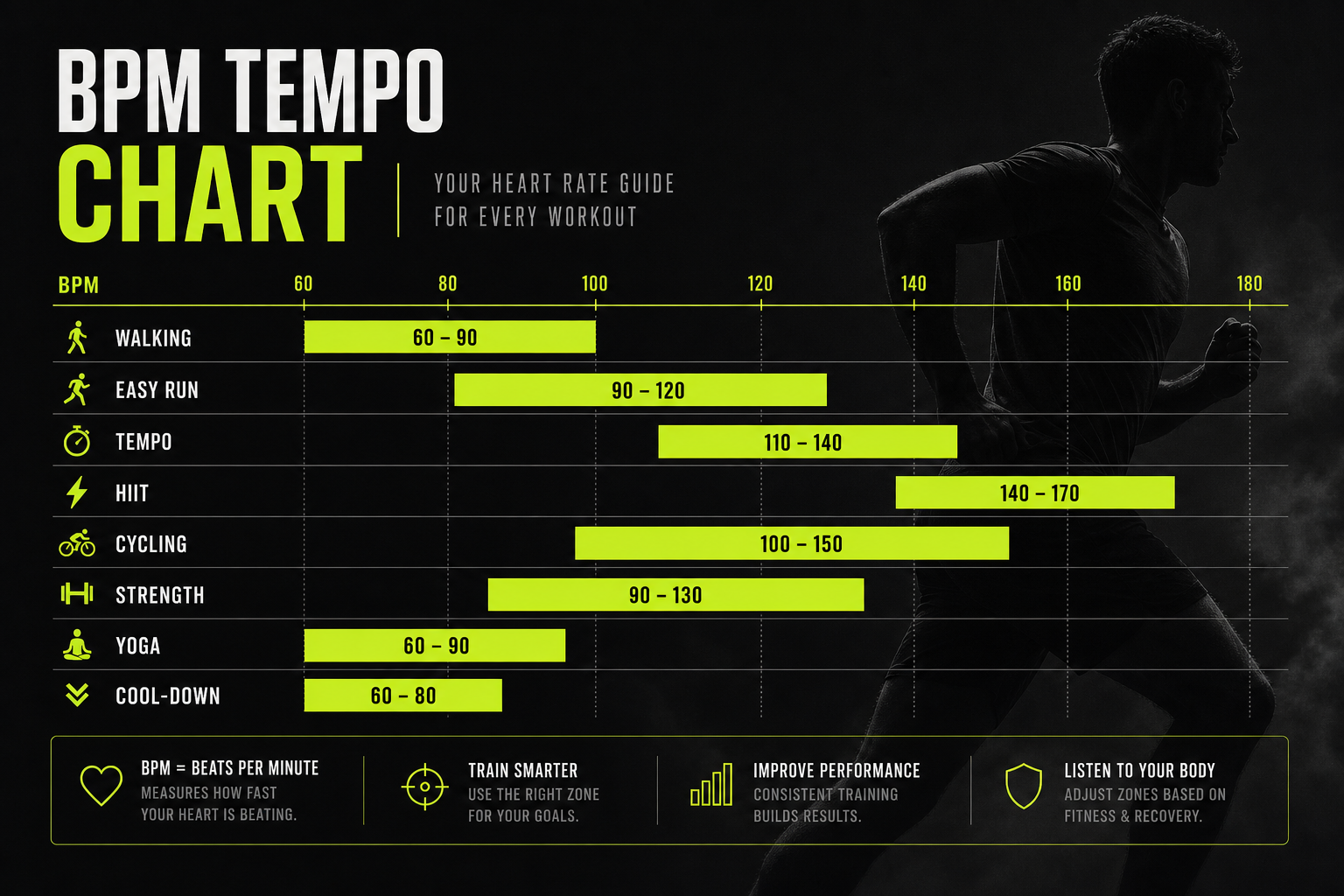
The first step is matching beats per minute (BPM) to your exercise. BPM is the tempo of a song, and it has a direct effect on how your body responds during training. Standard BPM ranges correlate to exercise types: 80–95 BPM for strength training, 120–140 BPM for HIIT, and 160–180 BPM for 5k running pace. Choosing music outside these ranges creates a mismatch between your body’s rhythm and the audio signal it receives, which reduces focus and output.
Three main personalization methods exist, each suited to different fitness enthusiasts:
- Manual BPM matching: You select songs by tempo using a BPM database or music app filter. This gives full control but requires time and music knowledge.
- AI-generated playlists: You prompt an AI music tool with your workout type, mood, and genre preferences. The tool builds a tempo-accurate playlist automatically.
- Biometric data integration: Wearables like Apple Watch or Fitbit feed live heart rate and cadence data into an app, which adjusts the music in real time.
| Approach | Best for | Effort required | Key limitation |
|---|---|---|---|
| Manual BPM matching | Music-savvy gym-goers | High | Time-consuming to build |
| AI-generated playlists | Most fitness enthusiasts | Low | May lack emotional resonance |
| Biometric integration | Performance-focused athletes | Low (once set up) | Requires compatible wearable |
Pro Tip: Count your reps for 30 seconds during a strength set, then multiply by two to get your lifting BPM. Use that number to filter songs before your next session.
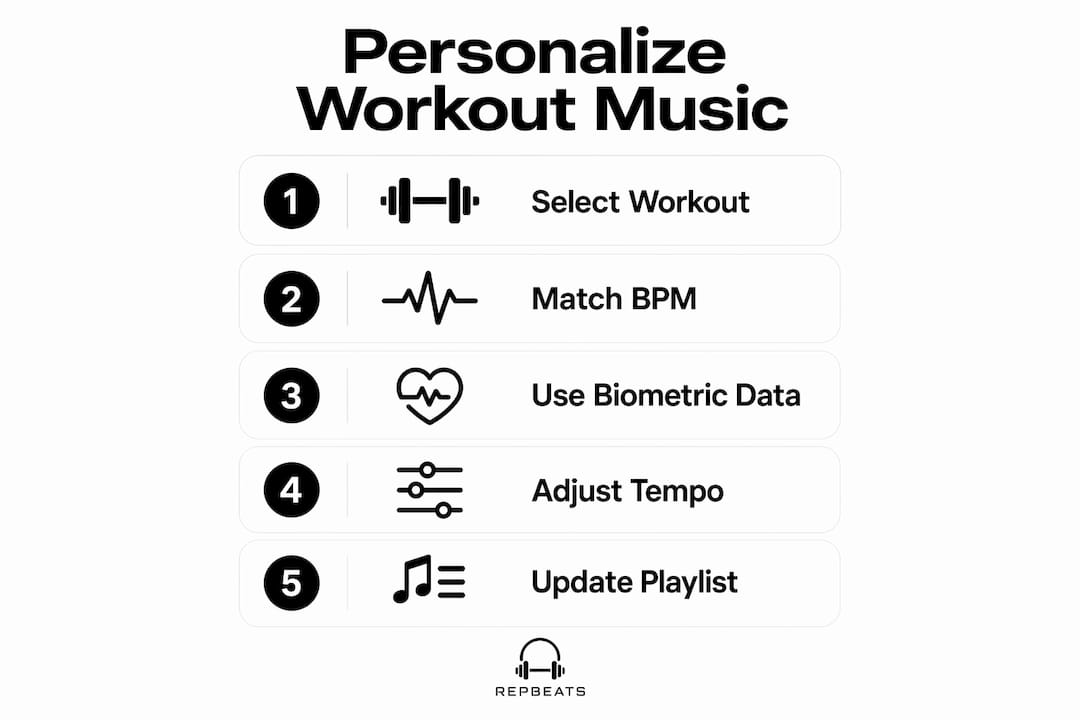
How do you build a custom workout playlist step by step?
Building a personalized gym soundtrack works best when you treat it like a workout structure: warm-up, main set, and cool-down each need different energy levels.
- Find your BPM for each phase. Use the 30-second rep count method for strength work. For running, use a cadence app or count steps per minute during a timed interval.
- Write a specific AI prompt. Generic prompts produce generic results. Include BPM target, genre, mood, and production style. “Generate a 130 BPM hip-hop track with aggressive energy and a prominent low end” produces a far more useful result than “make a gym song.”
- Add production cues for the gym environment. Specifying heavy compression and prominent low end in your AI prompt produces tracks that cut through ambient gym noise without losing energy.
- Generate multiple takes and compare. AI music tools produce variations. Listen to at least three versions of each prompt before selecting the final track. Small differences in mix and energy level matter when you are mid-set.
- Structure your playlist by phase. Open with 5–8 minutes of music at 100–110 BPM for warm-up. Build to your peak BPM during the main set. Drop back to 80–90 BPM for cool-down and stretching.
- Mix AI tracks with human-curated picks. Combining AI-generated tracks with songs you already love gives you tempo precision and emotional connection in the same playlist.
Pro Tip: Build separate playlists for each workout type rather than one master list. A BPM tempo chart makes it easy to assign the right songs to each session without guessing.
Platforms like Repbeats take this process further by using auto-DJ technology that updates the BPM every bar based on live wearable data. That means the playlist adjusts itself as your heart rate climbs, without any manual intervention during the session.
How does real-time biometric data improve your gym soundtrack?
Static playlists are less effective than dynamic ones because your body’s needs shift constantly during a workout. AI-generated playlists aligned to lift cadence and run pace outperform commercial playlists on both motivation and performance. The reason is simple: a song that matched your energy at the start of a HIIT round may feel slow by the third interval.
The iso-principle is the most effective framework for real-time music adaptation. The iso-principle involves matching music energy to your current psychophysiological state before gradually shifting toward your target intensity. In practice, this means starting a session with music that reflects how you actually feel, not how you want to feel, and letting the tempo climb with your effort. Repbeats applies this principle automatically by reading heart rate data from Apple Watch and Fitbit and adjusting the soundtrack bar by bar.
“Syncing music tempo to target exertion levels prevents performance plateaus and keeps sessions engaging, ensuring workouts evolve with the user’s progress.”
Several practical tips make biometric-driven playlists work better:
- Use vocal tracks during moderate-intensity phases for motivational lift. Switch to instrumental tracks during high-focus strength sets where lyrics compete with concentration.
- Check that your wearable syncs to your music app before the session starts. A dropped connection mid-workout breaks the adaptation loop.
- Set heart rate zones in your app before training. Knowing your Zone 2 and Zone 4 thresholds lets the system make smarter tempo decisions. Repbeats’ heart rate music zones feature handles this directly from the app.
Pro Tip: If you train in a loud gym, ask your AI tool for tracks with “heavy compression and prominent low end.” That production style keeps the beat audible even when the weights room gets noisy.
What are the most common challenges when personalizing workout music?
The biggest technical issue is inaccurate BPM detection. Many music apps estimate tempo rather than measure it precisely, which means a song tagged at 128 BPM may actually feel faster or slower depending on its production. Always verify BPM with a dedicated tool or tap-tempo app before adding a track to a phase-specific playlist.
Rapid workout phase changes create transition problems. Moving from a heavy compound lift to a sprint interval requires a tempo jump of 40–60 BPM in seconds. Abrupt transitions break focus. The fix is to build short bridge tracks at intermediate tempos between phases, or use an adaptive platform that handles transitions automatically.
Listener fatigue is real and often overlooked. Playing the same playlist for three weeks reduces its motivational effect, even if the BPM is correct. Syncing tempo with exertion via AI prevents plateaus, but variety in genre and vocal style matters just as much. Rotate at least one new track into each playlist every week.
Genre selection affects more than mood. Bass-heavy genres like trap and drum and bass work well for heavy lifting because the low-frequency content reinforces physical effort. Melodic genres like progressive house suit sustained cardio because the long build-and-release structure mirrors the arc of a run. Match genre to workout type, not just personal taste.
Maintaining a balanced playlist library prevents the common trap of over-indexing on one style. Keep separate folders for strength, HIIT, running, and recovery. Fitness enthusiasts who use adaptive workout music platforms avoid this problem because the system selects from a broad catalog based on live data rather than a fixed list. For gym operators looking to build music-forward fitness environments, strategies increasingly include curated audio branding as a retention tool.
Key Takeaways
Personalizing your gym soundtrack with BPM matching and biometric data produces measurably better workouts than any static playlist can deliver.
| Point | Details |
|---|---|
| Match BPM to exercise type | Use 80–95 BPM for strength, 120–140 for HIIT, and 160–180 for running. |
| Measure your lifting tempo | Count reps for 30 seconds and double the number to find your personal BPM. |
| Use the iso-principle | Start music at your current energy level, then let tempo climb with your effort. |
| Mix AI and human curation | AI handles tempo precision; your own picks maintain emotional connection. |
| Refresh playlists weekly | Adding new tracks prevents listener fatigue and keeps motivation high. |
Why I stopped trusting static playlists entirely
I spent two years building what I thought were perfect gym playlists. Carefully selected songs, right genres, good energy. They worked for about three weeks each. Then the motivation faded, and I kept skipping tracks mid-set, which is the worst thing you can do when you are trying to stay locked in.
The shift happened when I started treating music like a training variable, not background noise. Once I mapped BPM to each workout phase and started using biometric data to drive real-time adjustments, the difference was immediate. My rest periods shortened because the music kept pulling me back. My heavy sets felt more controlled because the tempo matched my actual lifting cadence instead of fighting it.
The counter-intuitive part: AI-generated tracks are not always the best choice emotionally. A song you have heard a hundred times and still love will outperform a perfectly tempo-matched AI track on a hard day. The science behind workout playlists confirms this. Personalization engages reward circuits, and familiarity is part of that reward. The best approach combines both: AI precision for tempo, personal favorites for emotional fuel.
My honest recommendation is to start with the BPM method before touching any AI tool. Count your reps, find your number, and filter your existing music library by that tempo. You will be surprised how many songs you already own that fit perfectly. Then layer in AI generation for the gaps. That sequence builds a playlist you actually trust, which is what keeps you training when motivation is low.
— Jordan Mills
Repbeats: adaptive music built for serious gym training
Fitness enthusiasts who want their music to respond to their body in real time have a direct solution in Repbeats.
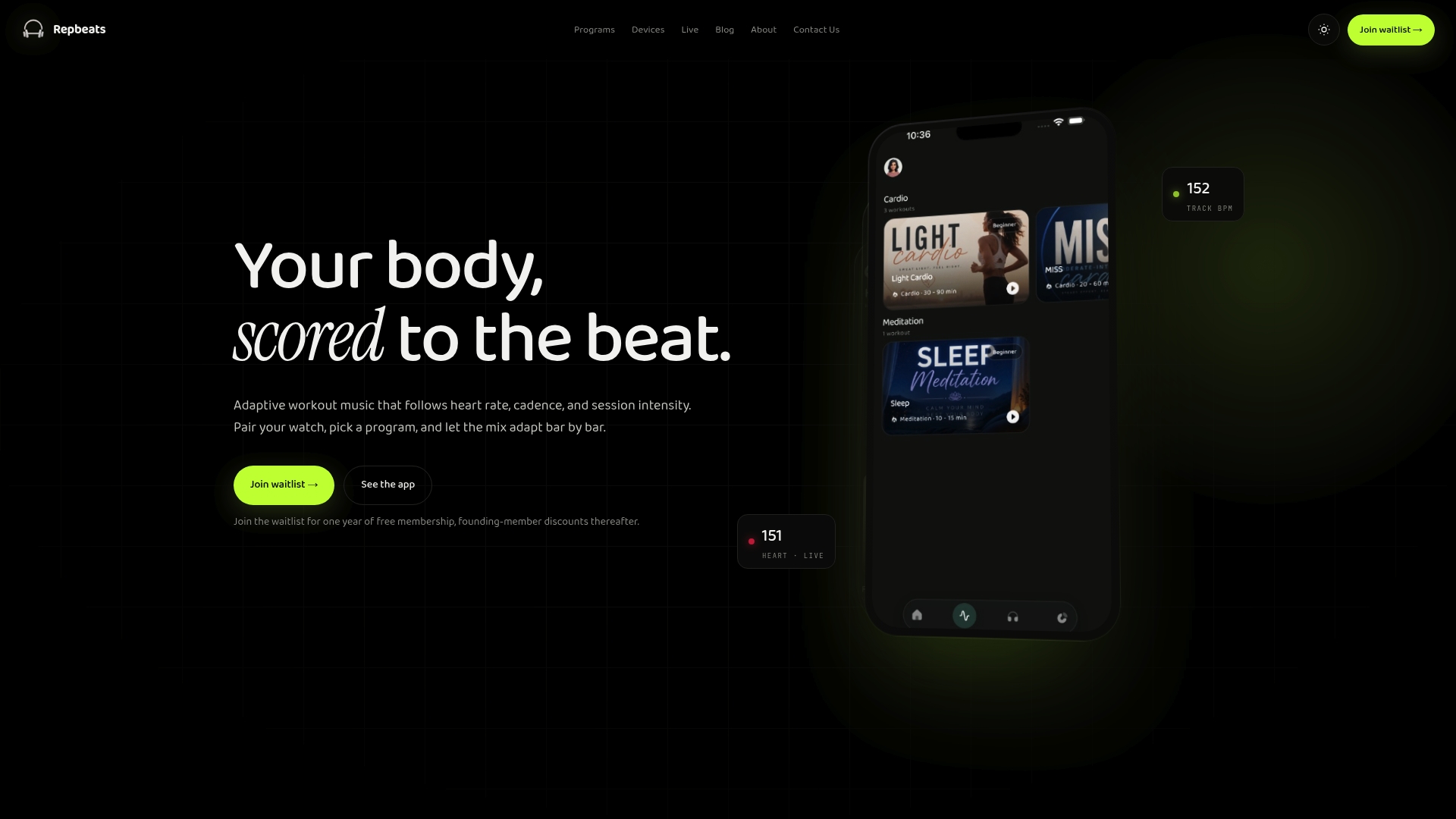
Repbeats syncs music tempo to your heart rate, cadence, and session intensity using live data from Apple Watch and Fitbit. Its auto-DJ technology updates the BPM every bar, so the soundtrack shifts with your effort without any manual adjustment. Whether you are running, lifting, or cycling, the music stays locked to your exertion level throughout the session. Repbeats also offers BPM playlists and adaptive mixes built specifically for gym training, giving you a starting point that is already calibrated to your workout type. For fitness enthusiasts ready to stop managing playlists and start training harder, Repbeats is the direct next step.
FAQ
What BPM should my gym playlist be?
BPM ranges vary by workout: 80–95 BPM suits strength training, 120–140 BPM works for HIIT, and 160–180 BPM matches a 5k running pace. Match your playlist tempo to your exercise type for the best performance response.
How does AI personalize workout music?
AI analyzes biometric data like heart rate and cadence to adjust track tempo in real time, replacing fixed playlists with soundtracks that evolve with your effort level.
What is the iso-principle in workout music?
The iso-principle means starting your music at your current energy level and gradually shifting the tempo toward your target intensity. This approach improves emotional regulation and exercise effectiveness during training.
How often should I update my gym playlist?
Rotate at least one new track per week into each workout playlist. Listener fatigue reduces motivational impact even when the BPM is correct, so variety in genre and vocal style is as important as tempo accuracy.
Do I need a wearable to personalize my gym music?
A wearable is not required for manual BPM matching or AI-generated playlists. Biometric integration through devices like Apple Watch or Fitbit adds real-time adaptation, which is the most effective personalization method but not the only one available.