What Is a Personalized Fitness Soundtrack?
Jordan MillsJuly 12, 2026 · 10 min read

What Is a Personalized Fitness Soundtrack?
TL;DR:
- Personalized fitness soundtracks use biometric data to dynamically adjust music tempo and style during workouts.
- They enhance motivation, endurance, and performance by syncing music precisely with exercise phases and personal preferences.
A personalized fitness soundtrack is music tailored precisely to your exercise tempo, physical signals, and preferences to boost motivation and improve workout performance. The industry term for this technology is a Personalized Interactive Music System, or PIMS. These systems use real-time biometric data from wearables to adjust rhythm and tempo dynamically, turning passive background music into an active performance tool. Research confirms that self-selected music boosts strength endurance and power output compared to externally imposed playlists. Understanding how this works gives you a direct edge in every session, whether you run, lift, cycle, or meditate.
What is a personalized fitness soundtrack and why does it matter?
A personalized fitness soundtrack goes far beyond picking your favorite songs before a workout. It is a music experience built around your body’s real-time signals, movement cadence, and personal taste. The goal is alignment: your music tempo matches your physical output at every moment of the session.
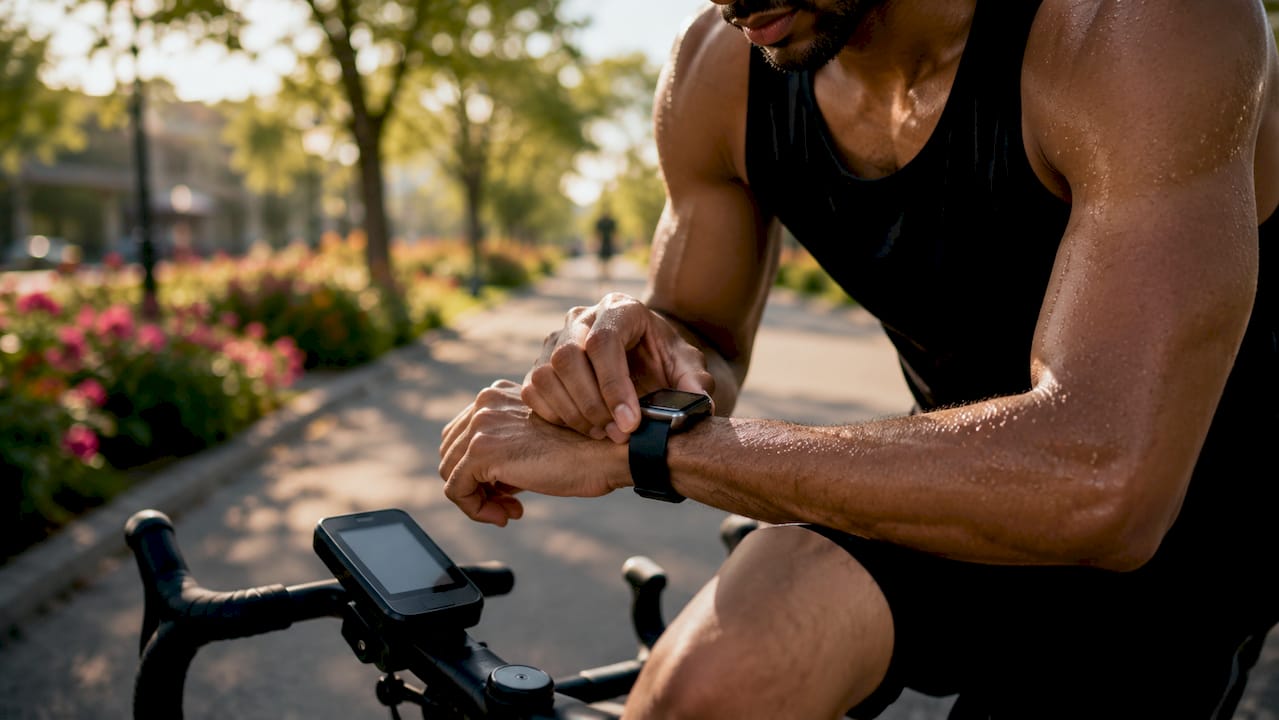
Generic playlists fail because they treat all workouts the same. A static playlist set at 140 BPM does nothing useful when your heart rate spikes during a sprint interval or drops during a recovery walk. Adaptive music systems solve this by reading your biometrics and shifting the music to match, keeping you in your optimal training zone without any manual adjustment.
The difference shows up in results. Personal control over music leads to higher motivation and better physical outcomes than standardized playlists. That is not a minor edge. It is the difference between grinding through a session and finishing strong.
How does personalized workout music improve performance?
The psychological and physiological effects of tailored workout music are well documented. Music influences perceived exertion, meaning the same physical effort feels easier when the right track is playing. That perception shift translates directly into longer sessions and higher output.
A 2025 meta-analysis found that athletes listening to preferred music show higher motivation, improved strength endurance, and power output compared to those listening to externally assigned music. The effect varied by sex, which confirms that personalization matters more than simply playing fast or loud music.
The key mechanisms behind this include:
- Reduced perceived exertion: Music draws attention away from physical discomfort, making hard efforts feel more manageable.
- Improved affective response: Tracks you enjoy trigger positive emotional states that sustain effort.
- Rhythm entrainment: Your body naturally synchronizes movement to a consistent beat, reducing wasted energy.
- Motivational cues: Familiar songs tied to past achievements trigger a conditioned drive to push harder.
Faster tempos link to improved exercise outcomes, but only when matched correctly. Precise BPM matching to workout cadence reduces cognitive load and improves output. Generic fast music does not deliver the same benefit.
What technology powers adaptive fitness soundtracks?
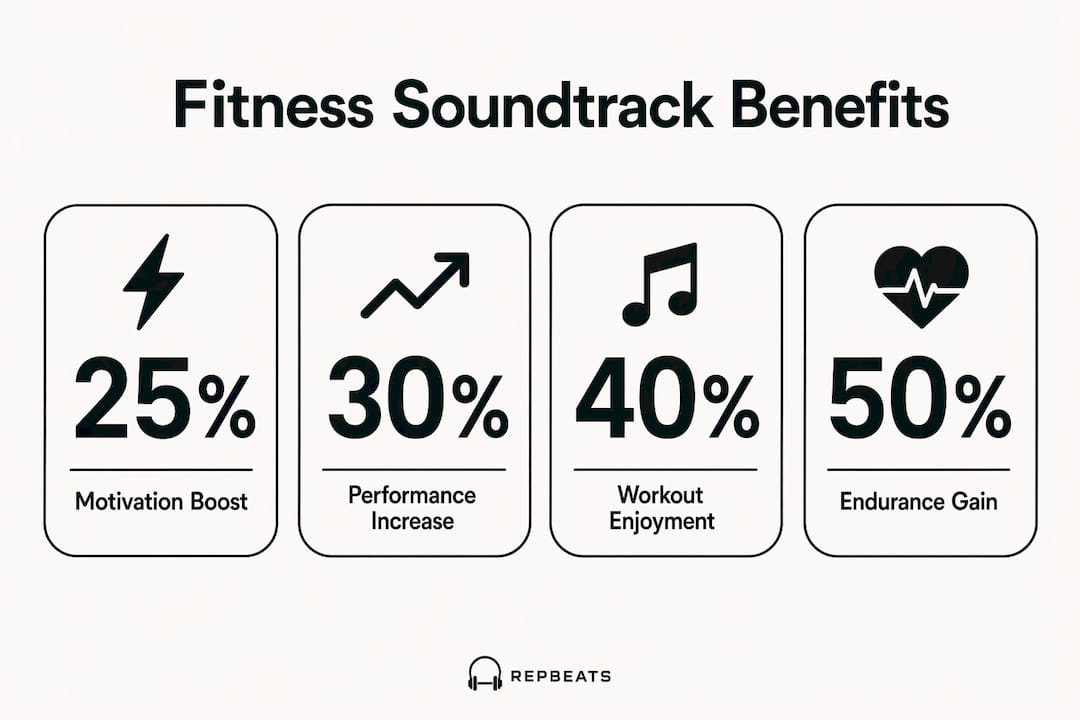
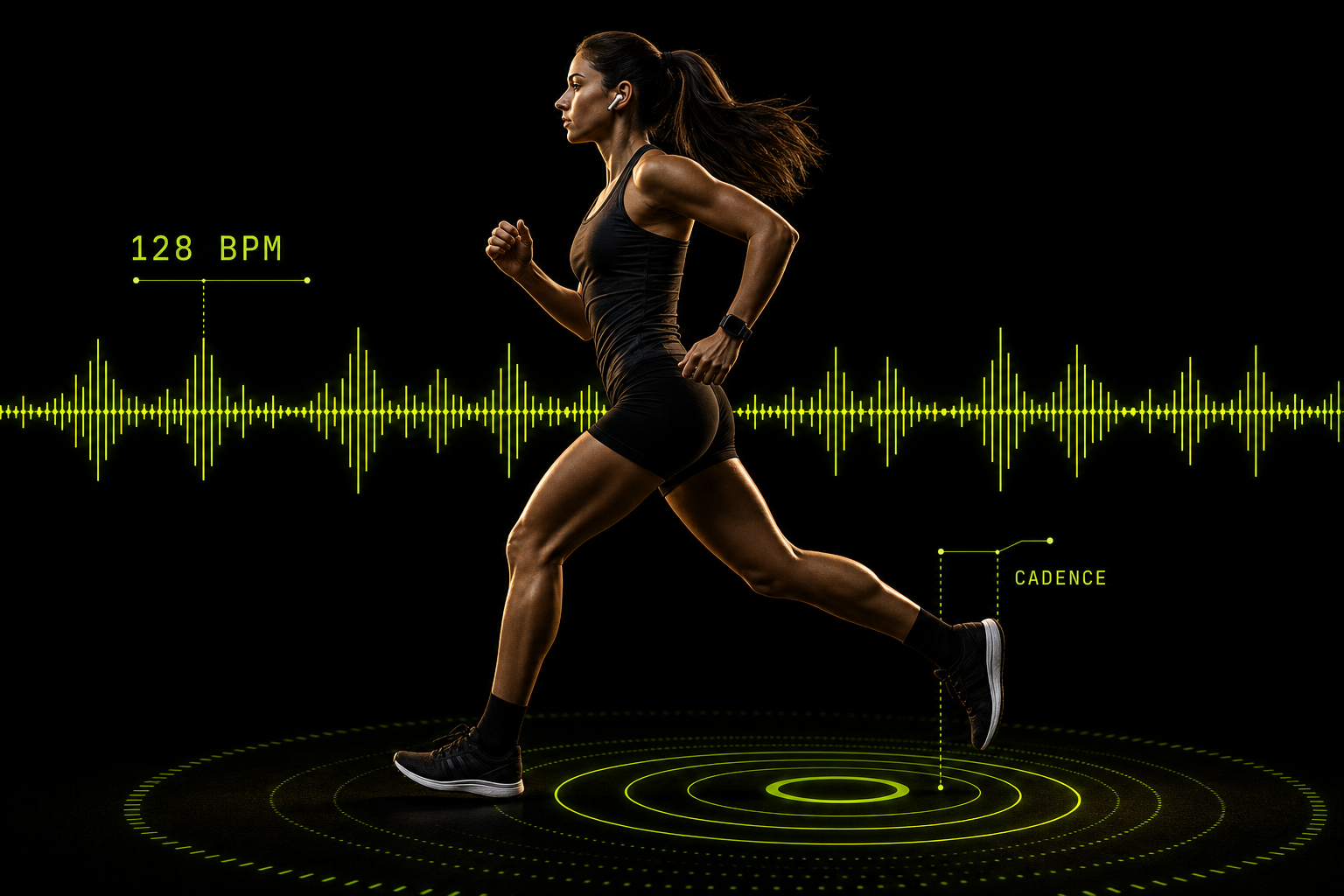
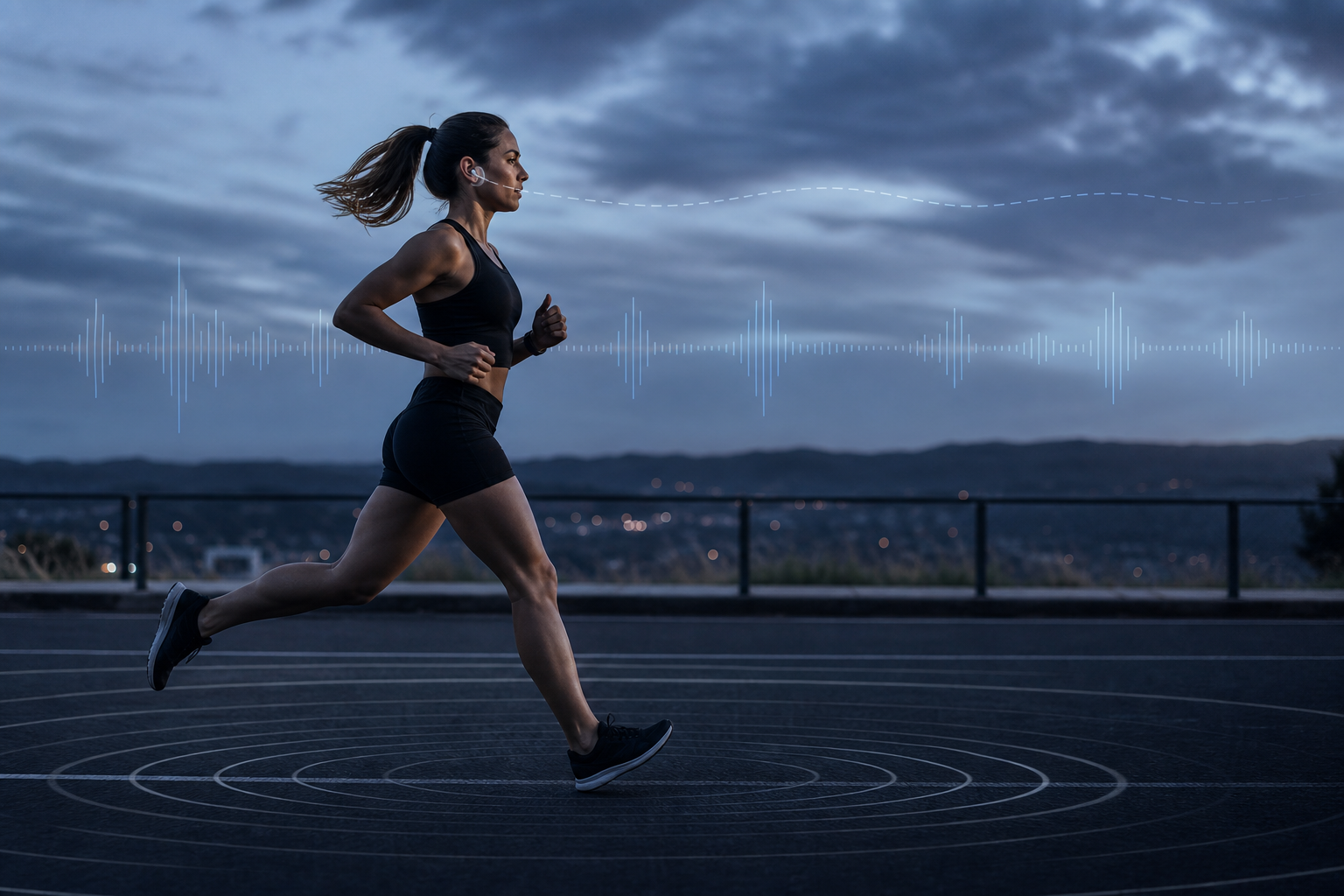
Personalized Interactive Music Systems, or PIMSs, are the engine behind modern adaptive workout music. A PIMS captures biometric data from wearable sensors, such as heart rate and cadence, and uses that data to adjust music properties in real time. The result is a soundtrack that evolves with your body rather than running on a fixed loop.
Here is how a PIMS typically works in practice:
- Biometric capture: A wearable device, such as an Apple Watch or Fitbit, reads your heart rate, cadence, and session intensity continuously.
- Signal processing: The system interprets the incoming data and identifies your current exercise zone.
- Music adjustment: The algorithm shifts the BPM, energy level, and style of the current track to match your output.
- Continuous loop: The system repeats this process every few seconds, or in Repbeats’ case, every musical bar.
Real-time personalized music produces significant increases in physical activity levels and affective valence compared to static playlists. That means people move more and feel better doing it.
Repbeats takes this further with its auto-DJ technology, which updates the music’s BPM every bar. It reads live data from Apple Watch and Fitbit to keep you in your optimal training zone across running, cycling, and meditation sessions. AI-driven features like beat matching and vocal hype placement add another layer of personalization that generic streaming apps cannot replicate.
AI-generated workout music can produce tracks precisely matched to a user’s lift cadence or running pace, with customized vocal hype lines and mastering optimized for gym environments. These tracks outperform generic streaming playlists for serious athletes.
Pro Tip: Connect your wearable to a PIMS-compatible app before your warm-up so the system has a baseline reading before your intensity climbs. This gives the algorithm a head start on matching your music to your effort.
Key music factors for your personalized exercise playlist
Building a custom workout music plan requires more than picking songs you like. Four factors determine whether your playlist actually improves performance: BPM, genre, vocal style, and track structure.
BPM matching by workout type
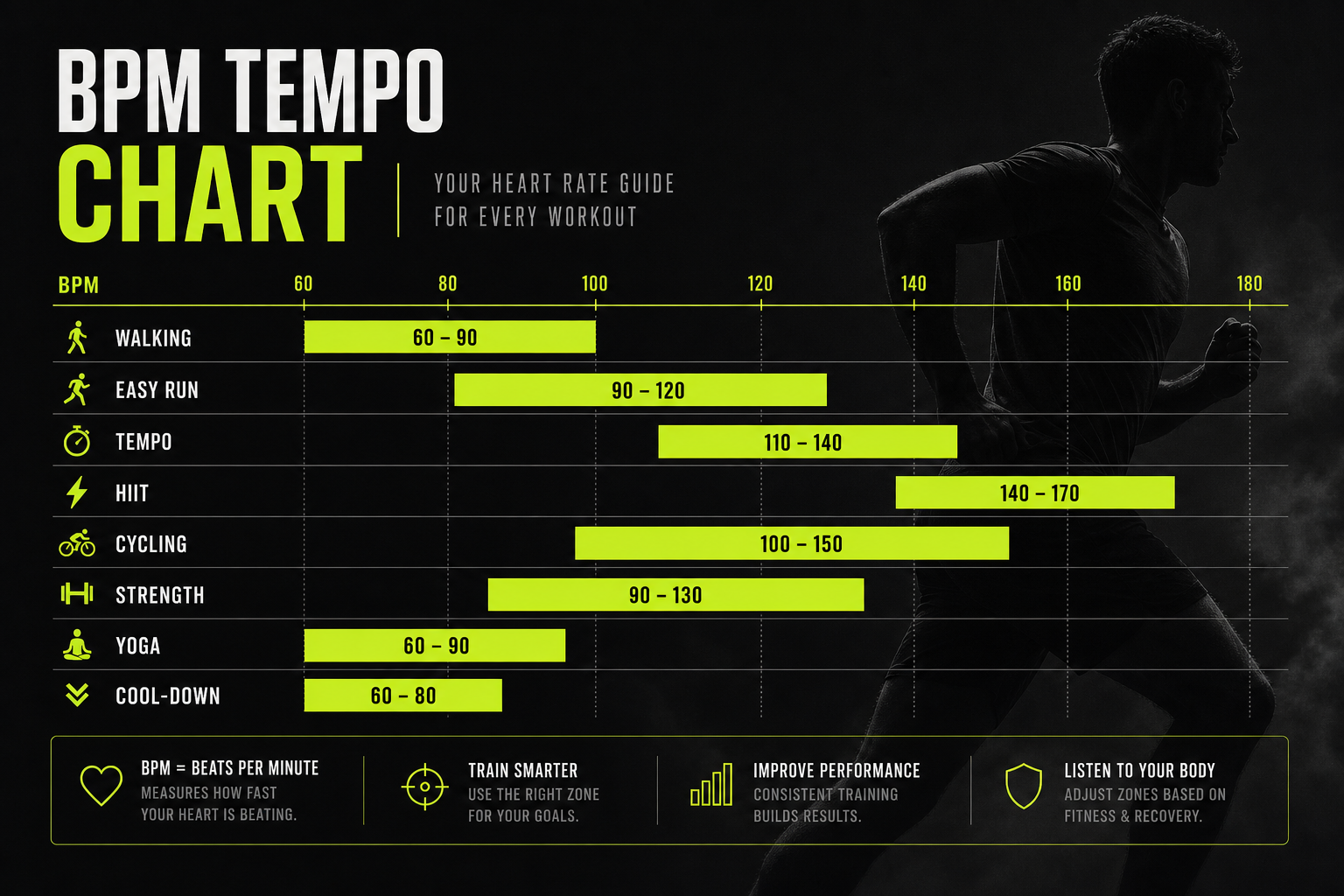
BPM is the single most important variable. Exact BPM matching per workout phase is the standard approach: 80–95 BPM for heavy 5x5 lifts, 132 BPM for HIIT intervals, and 160–180 BPM for a 5K run. These ranges keep your movement rhythm locked to the beat, which reduces cognitive distraction and improves output.
Genre and cultural preference
Genre shapes your emotional response to music. Self-curated playlists based on personal taste and cultural preference produce stronger motivation and workout engagement than generic selections. A hip-hop track at 140 BPM and a metal track at 140 BPM hit the same tempo but create very different psychological states. Choose the genre that connects with you personally.
Vocal vs. instrumental tracks
The vocal versus instrumental choice depends on your training phase. Instrumental music better supports focus and rhythm locking during high-effort lifting, while vocal tracks suit warm-up and moderate-intensity phases. Lyrics compete with internal focus during maximal effort. Many elite performers use instrumental tracks for their hardest sets and switch to vocal music for recovery.
Track length and energy structure
Track length affects how well your music matches your set structure. A four-minute track with a slow intro wastes the first 45 seconds of a three-minute lifting set. Look for tracks with immediate energy and drops timed to natural rest points. Music mastered for gym environments, with compressed dynamics and boosted low-mids, also carries better over ambient noise.
Pro Tip: Build separate playlists for each training phase rather than one long playlist. A dedicated warm-up list, a work set list, and a cooldown list let you control the energy arc of your session without manual skipping.
How to build personalized fitness soundtracks into your routine
Putting a personalized soundtrack into practice takes a few deliberate steps. The process is straightforward once you understand the inputs.
- Set up your wearable. Connect your Apple Watch, Fitbit, or compatible device to a biometric-aware music app. Confirm that heart rate and cadence data are transmitting before you start.
- Define your training zones. Know your target heart rate ranges for each phase of your workout. Most wearables calculate these automatically based on your age and resting heart rate.
- Match your playlist to your zones. Assign BPM ranges to each zone. Use 80–95 BPM tracks for strength work, 130–145 BPM for moderate cardio, and 160–180 BPM for high-intensity intervals.
- Track your response. After each session, note which tracks felt right and which felt off. Adjust the BPM range or genre for the next session based on that feedback.
- Fine-tune over time. A personalized soundtrack improves with use. The more data your system collects, the better it matches your preferences and performance patterns.
Avoid the most common mistake: assuming any fast music works for any intense workout. Adaptive music technology eliminates the rhythm gap between your body and the music. Without that synchronization, even high-energy tracks can create a mismatch that disrupts your focus and pacing.
Group fitness contexts benefit from personalized soundtracks too. When each participant wears a biometric device, a shared adaptive system can blend individual signals into a group tempo that keeps the class moving together without forcing everyone onto the same fixed beat.
Key Takeaways
A personalized fitness soundtrack built on real-time biometric data and precise BPM matching consistently outperforms generic playlists for motivation, endurance, and output.
| Point | Details |
|---|---|
| Personalized music beats generic playlists | Self-selected music improves strength endurance and power output, confirmed by a 2025 meta-analysis. |
| BPM precision drives results | Match 80–95 BPM for lifting, 132 BPM for HIIT, and 160–180 BPM for running to lock movement to rhythm. |
| Adaptive systems eliminate the rhythm gap | Wearable-connected PIMS technology adjusts tempo in real time, preventing burnout and sustaining effort. |
| Vocal vs. instrumental choice matters | Use instrumental tracks for maximal effort sets and vocal tracks for warm-up and recovery phases. |
| Personal taste amplifies the effect | Genre and cultural preference shape emotional response, making self-curated playlists more effective than assigned ones. |
Why I think most people are using workout music wrong
Most people treat workout music as entertainment. They queue up a popular playlist, hit play, and assume the energy will carry them through. That approach leaves most of the benefit on the table.
The real power of a personalized fitness soundtrack is precision. When I started paying attention to BPM matching rather than just picking high-energy songs, the difference in my lifting sessions was immediate. Sets that used to feel like a grind felt controlled. The music was pulling my rhythm rather than competing with it.
The insight that changed my thinking was simple: not all fast music is the same. A track at 168 BPM during a 5K run locks your stride. That same track during a heavy squat set creates a mismatch that actually increases cognitive load. You end up fighting the beat instead of riding it.
Vocal tracks are another area where conventional wisdom gets it wrong. Most people gravitate toward hype songs with strong lyrics for their hardest sets. The research points the other direction. Lyrics pull your attention outward during maximal effort, exactly when you need internal focus. Instrumental tracks at the right BPM do more for a heavy deadlift than any motivational chorus.
The broader lesson is to treat music as a precision tool. Rhythm and exercise output are directly connected, and the connection is measurable. Once you start building your soundtrack around biometric data and phase-specific BPM targets, you stop guessing and start training with intention.
— Jordan Mills
Repbeats: adaptive workout music built around your body
Repbeats connects directly to your Apple Watch or Fitbit and reads your heart rate, cadence, and session intensity in real time. Its auto-DJ technology updates the BPM of your music every bar, so your soundtrack never falls out of sync with your effort.
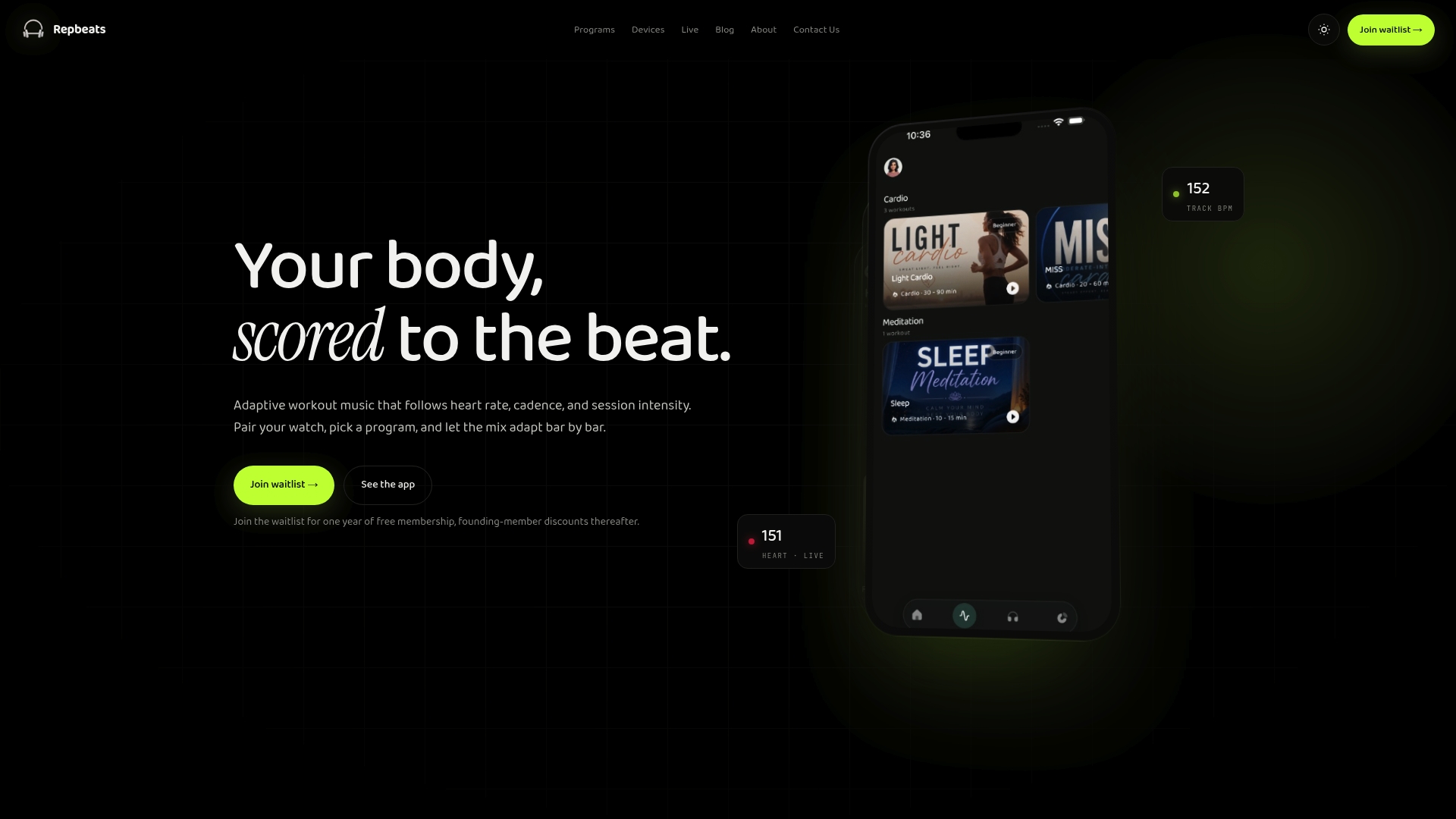
Whether you run, cycle, lift, or meditate, Repbeats builds a personalized workout soundtrack that evolves with every session. The platform covers every training phase with BPM-matched playlists and AI-driven track selection. Explore Repbeats and hear what training with a soundtrack built around your body actually feels like.
FAQ
What is a personalized fitness soundtrack?
A personalized fitness soundtrack is music tailored to your exercise tempo, biometric signals, and personal preferences to improve motivation and performance. Personalized Interactive Music Systems adjust BPM and style in real time using wearable data.
How do I choose the right BPM for my workout?
Match BPM to your training phase: 80–95 BPM for heavy strength work, 132 BPM for HIIT, and 160–180 BPM for running. Precise BPM matching reduces cognitive load and keeps your movement locked to the beat.
Does music really improve workout performance?
A 2025 meta-analysis confirms that self-selected music improves strength endurance and power output compared to externally assigned playlists. The effect is strongest when the music matches personal taste and training phase.
Should I use vocal or instrumental tracks during workouts?
Use instrumental tracks for high-intensity, maximal effort sets where internal focus matters most. Vocal tracks work better during warm-up and moderate-intensity phases when lyrics add motivation without disrupting concentration.
How does Repbeats personalize workout music?
Repbeats reads live biometric data from Apple Watch and Fitbit and updates the music’s BPM every bar using its auto-DJ technology. This keeps your soundtrack continuously matched to your heart rate, cadence, and session intensity.