110–140 BPM for Runners: Mindful Running Music With Wearable Sync
Jordan MillsSeptember 27, 2026 · 10 min read

110–140 BPM for Runners: Mindful Running Music With Wearable Sync
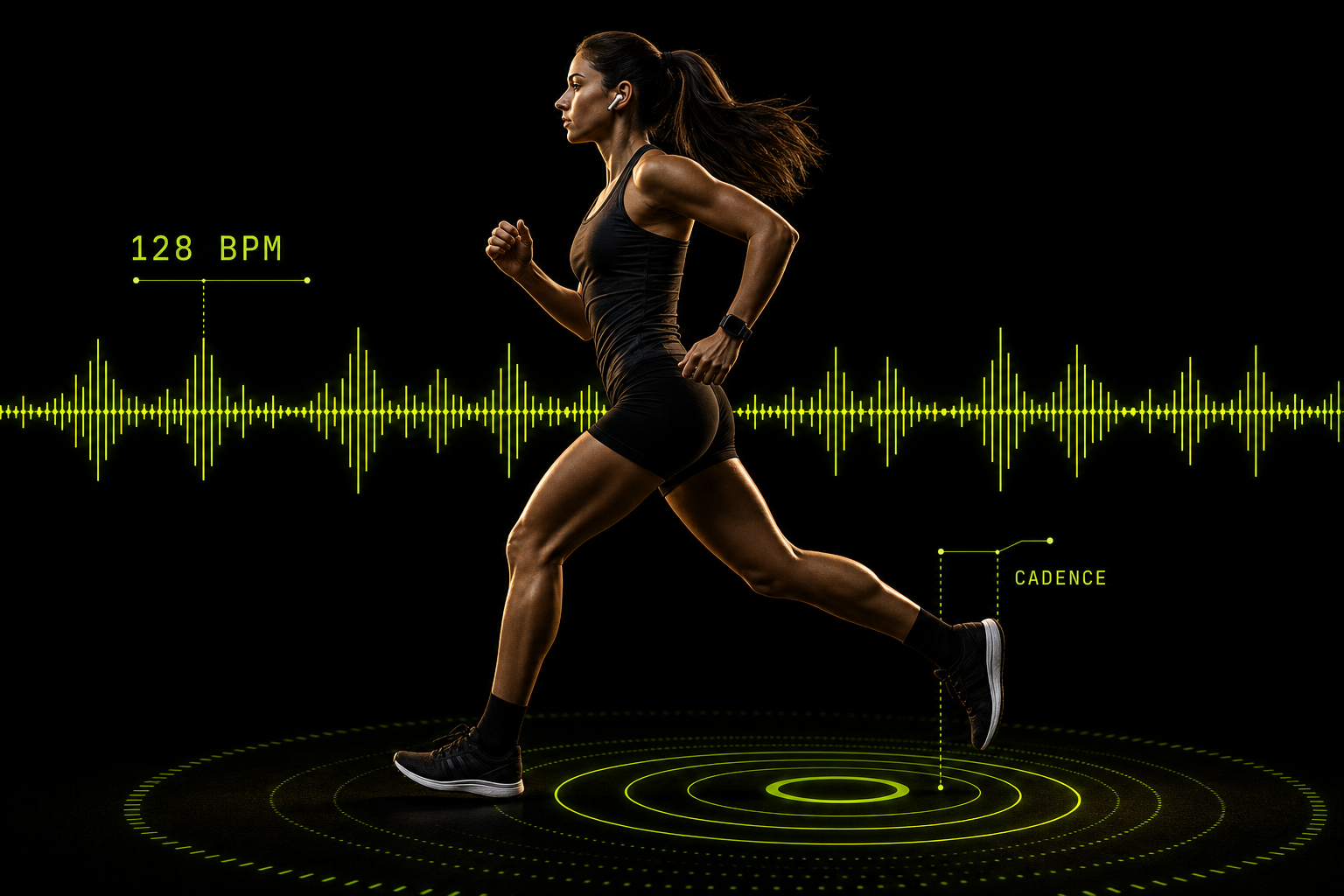
Mindful running music pairs a steady, easy-to-follow beat or a guided meditation track with your run so your attention has something reliable to anchor to instead of drifting into fatigue or worry. The most consistent results come from tempo-matched playlists or guided audio, and increasingly from wearable-adaptive systems like Repbeats that adjust the beat to your cadence and heart rate as you move.
TL;DR:
- Stable-BPM playlists with consistent, prominent beats improve synchronization and reduce cadence drift during mindful runs, especially when tempo is matched to specific effort goals.
- Wearable-synced adaptive audio continuously adjusts the music’s tempo based on real-time cadence and heart rate data, supporting effort matching without manual playlist changes.
- Guided runs with coaching cues help beginners focus on mindfulness and breath awareness, making them ideal for those new to mindful running practice.
- High-BPM tracks above 140 may enhance performance during intervals, while lower BPMs around 110 to 125 support recovery and calm states.
- Safety considerations include keeping volume low or using bone-conduction headphones to avoid masking traffic or hazards while maintaining focus.
Table of Contents
- Why mindful running music helps: evidence and benefits
- Formats that deliver mindful running audio: playlists, guided runs, and adaptive music
- How to choose or create mindful running music (practical checklist)
- Sample tempo ranges and short playlist structures for mindful runs
- How wearable-synced adaptive audio supports mindful running
- Potential drawbacks or cautions when using music mindfully while running
- Author perspective: quick practitioner tips and expectations
- Repbeats: a wearable-synced option for mindful running music
- Sources
- FAQ
Why mindful running music helps: evidence and benefits
Music does more than distract you from tired legs. A large meta-analytic review of exercise and music studies found that listening to music during exercise brings moderate improvements in mood and smaller but real gains in performance, perceived exertion, and how efficiently the body uses oxygen. Tempo mattered: the review noted that fast tempo affects performance differently than slow-to-moderate tempo, which is part of why a blanket “upbeat playlist” approach misses the point of mindful running.
The mechanism behind the biggest gains is auditory-motor synchronization, the process of matching a beat to your footstrike so your body locks into rhythm rather than fighting it. This works best when the beat is prominent and steady, not buried under layers of production.
That distinction shapes when to reach for which kind of audio:
- Recovery or mindfulness-focused runs: favor lower BPM, ambient soundscapes, or guided meditation tracks that support internal focus.
- Performance-oriented runs: favor higher BPM, synchronous music with a clear beat for pacing and motivation.
- Mixed sessions: shift between the two as effort changes across a run.
Music listening during exercise is linked to improvements in mood and small but meaningful performance gains, according to the meta-analytic review, which is a meaningful edge for a habit that costs nothing extra to build into a run you were already doing.
Formats that deliver mindful running audio: playlists, guided runs, and adaptive music
Three formats cover most of what mindful runners actually use. Each creates a different mental experience.
- Stable-BPM playlists: Built from tracks with a consistent, prominent beat, these avoid the tempo drift that throws off your cadence mid-run. Look for playlists labeled by BPM rather than mood alone, since “chill” and “focus” tags rarely guarantee a steady tempo.
- Guided runs: These layer coaching cues and mindfulness prompts over music or ambient sound. Headspace’s Keep Running series is built this way, walking runners through breath awareness and body-scan style prompts while they move, which suits people who want instruction rather than a self-curated soundtrack.
- Adaptive music: Wearable-synced systems adjust tempo and sometimes volume in response to live cadence and heart rate data, so the music tracks your effort instead of the other way around. Some adaptive music systems use auto-DJ technology that updates BPM every bar based on data from wearable devices.
Guided runs suit runners newer to mindfulness practice, stable playlists suit those who already know their preferred tempo, and adaptive audio suits anyone who wants the tempo decision made for them in real time.
How to choose or create mindful running music (practical checklist)
Picking the right audio takes less trial and error when you follow a simple sequence before you head out the door.
- Define the run’s goal first. A recovery jog calls for a calmer, lower-BPM track list or ambient sound; a focused tempo run calls for something closer to your target cadence.
- Check beat prominence. Scan a track’s first minute: if the beat is buried under vocals or effects, it will not hold up for synchronization.
- Screen for tempo drift. Many playlists shift tempo between songs without warning, which is the main cause of what practitioners call beat-drifting, where your stride quietly adjusts to a mismatched beat.
- Set volume and safety limits. Keep one ear open for traffic and other runners, especially on roads or shared paths.
- Test with a short warmup. Run five minutes at your usual easy pace and notice whether your steps naturally land on the beat.
- Adjust if misaligned. Swap tracks, switch to a guided run, or move to an adaptive mode that updates tempo automatically instead of hoping the next song lines up.
Pro Tip: Keep a two- or three-track “reset” list of songs you already know match your natural cadence, so you always have a fallback when a playlist drifts.
Sample tempo ranges and short playlist structures for mindful runs
Rough BPM bands give you a starting point, though your own comfortable cadence should always override a number on a screen.
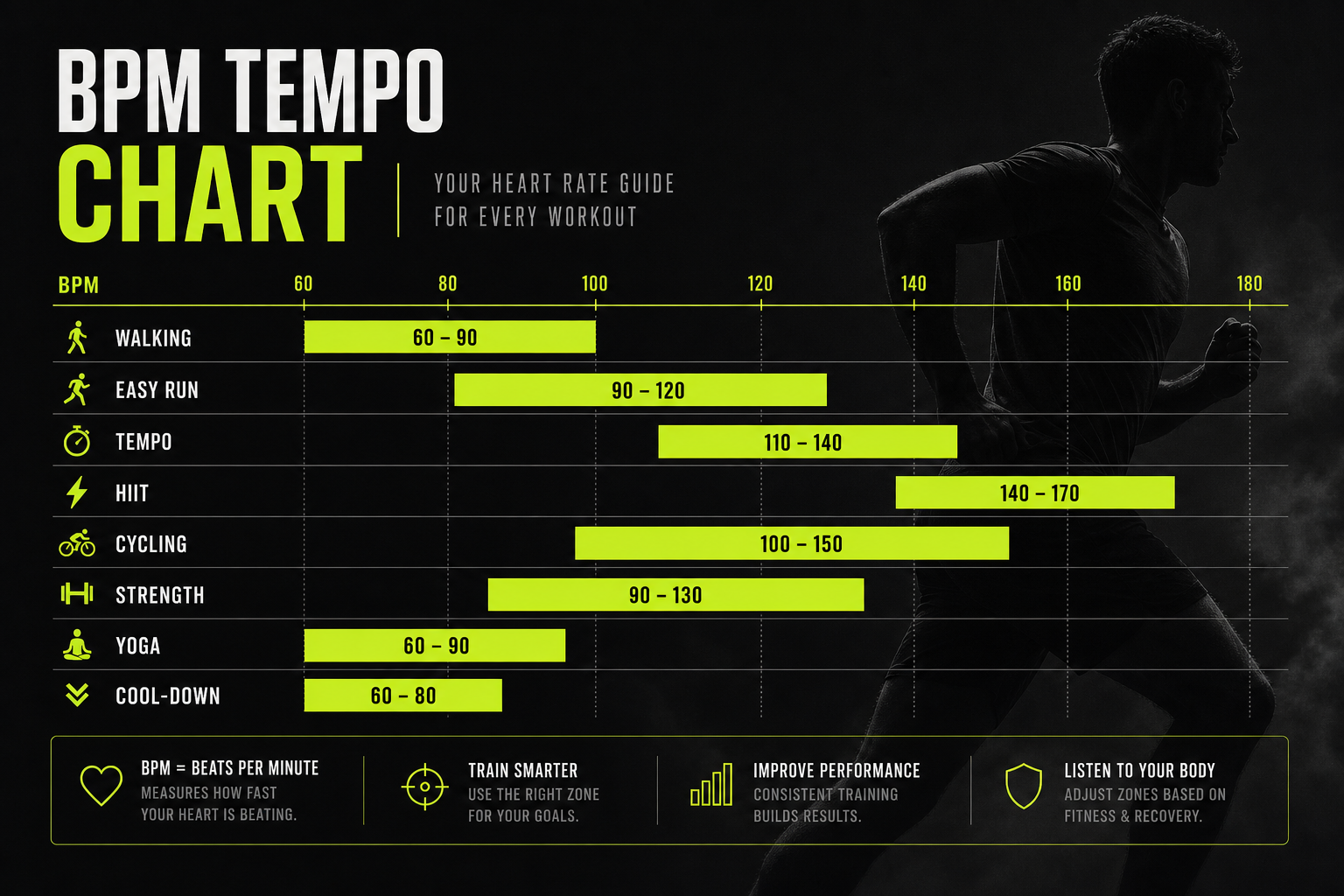
- 110 to 125 BPM: calm jogs, recovery days, and warmups where the goal is steady breathing over speed.
- 125 to 140 BPM: focused runs where you want rhythm support without pushing into a hard effort.
- Above 140 BPM: high-intensity intervals or tempo work, where a faster beat helps drive pace.
Three short blueprints cover most mindful sessions. A 10-minute recovery blueprint might open with two ambient or low-BPM tracks, easing heart rate and breath before the run even starts. A 20-minute focused-cadence blueprint could hold a steady 125 to 130 BPM range throughout, chosen specifically for beat consistency over variety. A 40-minute mindful interval session might alternate ambient stretches with short blocks in the 135 to 140 BPM range, mirroring effort changes.
When adapting your own favorite songs into any of these, prioritize beat stability over novelty. A familiar song with a wandering tempo will undercut the rhythm you are trying to build.

How wearable-synced adaptive audio supports mindful running
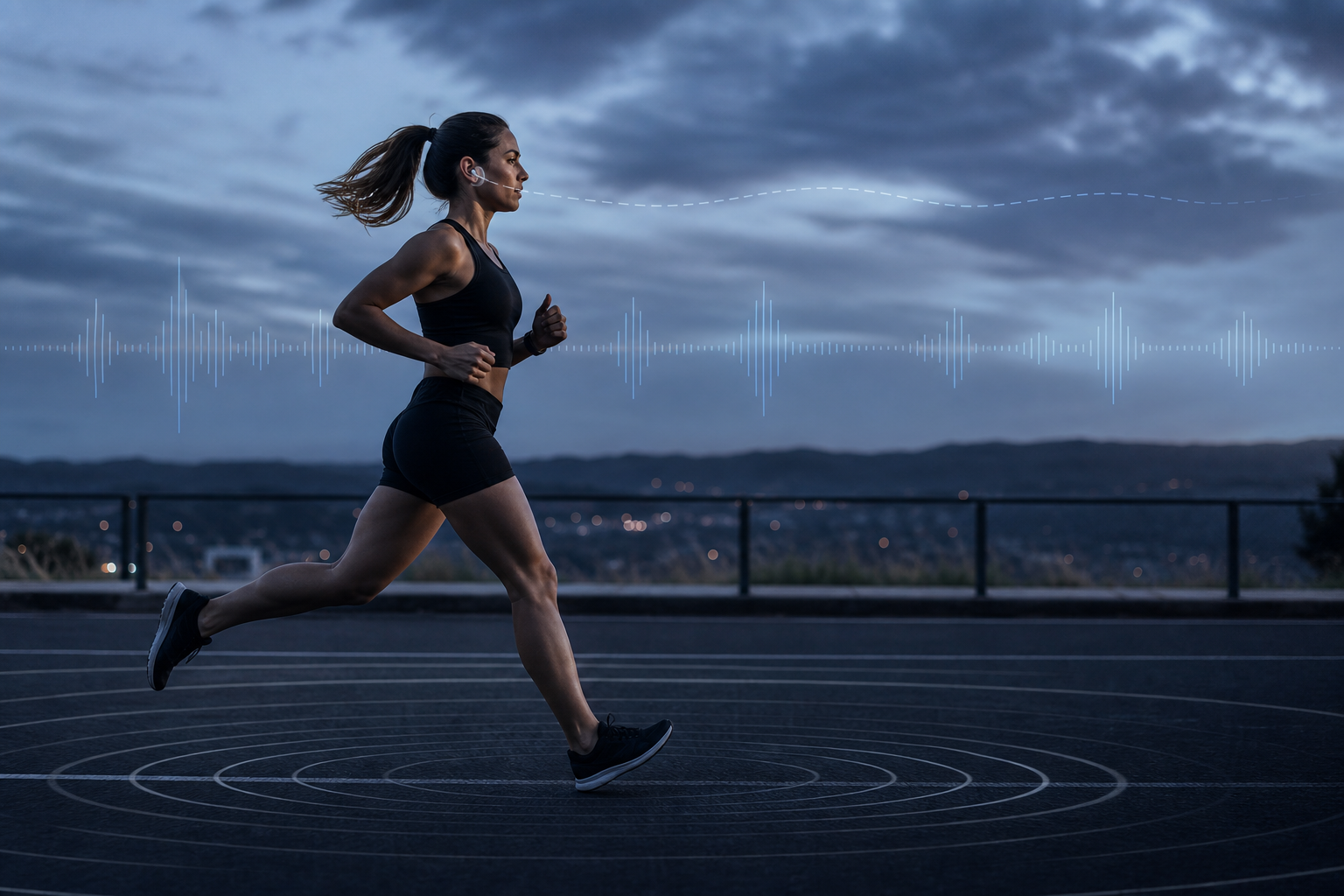
Adaptive audio systems read live data, cadence and heart rate from a wearable, and adjust the music in response instead of relying on a fixed playlist. Certain adaptive audio systems apply this idea through auto-DJ technology that updates BPM every bar, aiming to keep the soundtrack matched to current effort using data from wearable devices.
Controlled research backs the underlying idea. A study of the RunMe adaptive sound system found that runners using adaptive audio synced to their cadence and heart rate showed better attention regulation and higher mindfulness scores than those using non-adaptive sound or no sound at all, per the RunMe study. The same research pointed to soft, nonverbal cues, gentle chimes or subtle volume nudges, as more effective than spoken instructions for pulling attention back without breaking a runner’s rhythm.
That design logic shows up in a few practical features:
- Cadence and heart-rate syncing replaces guesswork with data pulled straight from your wearable.
- Bar-by-bar BPM updates keep the beat close to your actual stride instead of a preset tempo.
- Soft audio cues nudge focus back to breath or form without interrupting the music itself.
Runners who want to see this in practice can look at how wearable-synced running meditation music is built to track cadence in real time.
Potential drawbacks or cautions when using music mindfully while running
Music is not a neutral addition to every run. Volume that masks traffic, cyclists, or other pedestrians turns a mindfulness tool into a safety risk, especially on shared paths or roads without a shoulder. Bone-conduction headphones or a single earbud worn at low volume reduce that risk without cutting the audio entirely.
Over-reliance on music can also work against the point of mindful running if it becomes pure distraction rather than an anchor for attention. Constant genre-hopping or chasing novelty defeats the purpose of a steady beat, since your brain spends effort adjusting to new tempos instead of settling into rhythm.
Static playlists carry the beat-drifting problem described earlier: a track list built for mood rather than tempo consistency can quietly push your cadence off its natural rhythm without you noticing until fatigue sets in. Guided runs solve this differently but introduce their own tradeoff, spoken cues that some runners find grounding and others find intrusive during a run meant to quiet the mind.
Finally, expectations matter. The Headspace guided run resources note that mindful practice mainly builds focus and recovery quality before it produces measurable performance gains, so runners chasing faster times from mindful audio alone may be looking in the wrong place for that specific result.

Author perspective: quick practitioner tips and expectations
Start small: a few recovery runs with a guided session or a low-BPM playlist teach your attention to settle before you try anything more structured. Track your cadence and how focused you actually felt, not just how the run went on paper, and give adaptive audio modes two to four weeks before judging whether they changed anything.
— Jordan Mills
Repbeats: a wearable-synced option for mindful running music
If you have tried building your own stable-BPM playlists and still hit tempo drift mid-run, Repbeats removes that manual work by syncing the soundtrack to your body instead of a fixed track order.
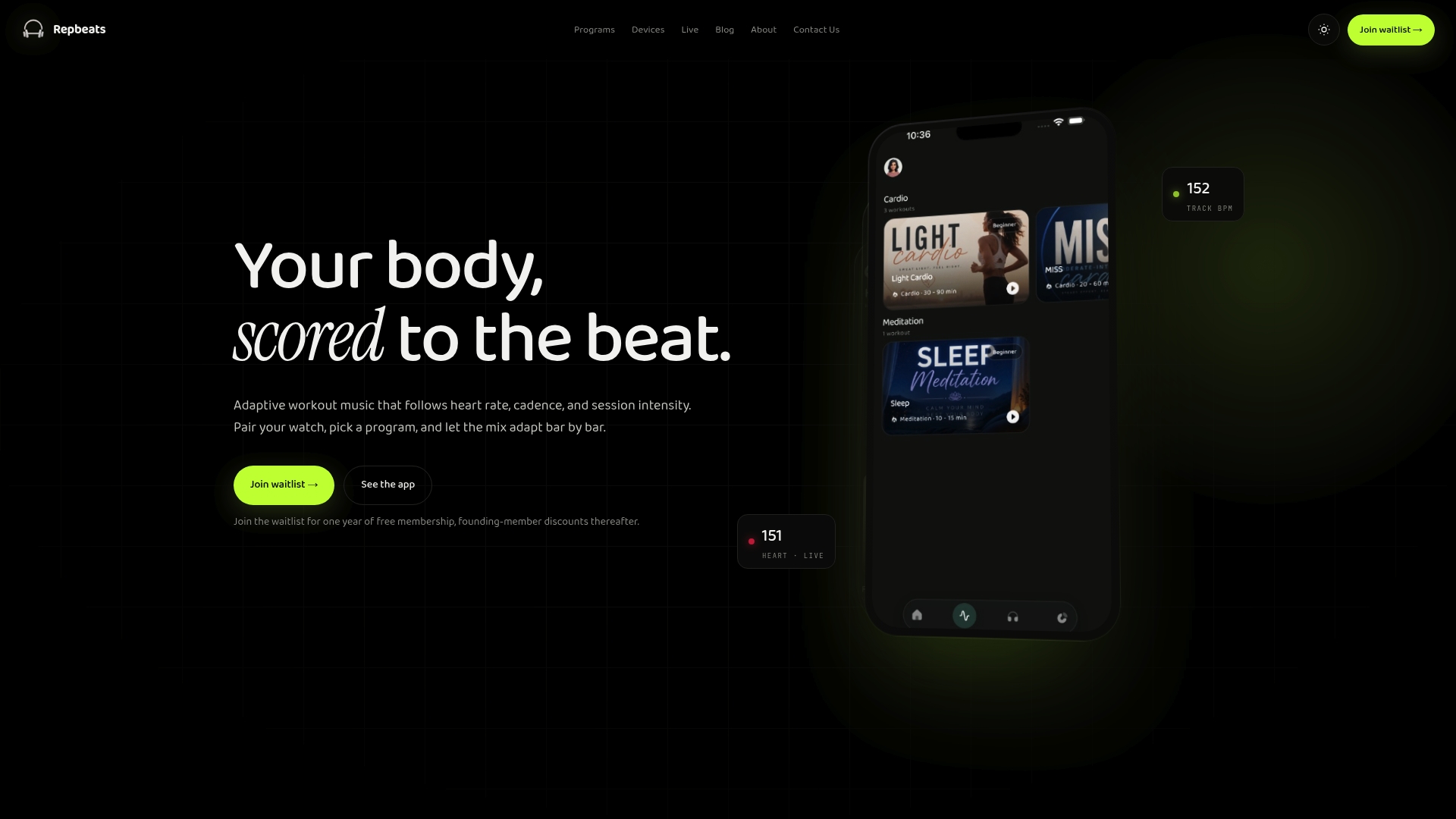
- Auto-DJ technology updates BPM every bar based on live wearable data.
- Cadence and heart-rate sync can pull directly from popular wearable devices.
- Cardio and meditation programs may cover both performance-focused runs and mindfulness-oriented sessions.
Runners who want one soundtrack that adjusts itself across a whole run, rather than swapping playlists mid-stride, are the clearest fit here. Visit the Repbeats app page to see how the adaptive system works, or head to Repbeats to check current availability.
Sources
- Effects of Music in Exercise and Sport: A Meta-Analytic Review
- RunMe: An Adaptive Sound System for Running Meditation
- The Power of Auditory-Motor Synchronization in Sports
- Keep Running - Mindful Activity | Headspace
FAQ
What is the best music to listen to while running?
The best running music has a steady, prominent beat that matches your intended pace, since a clear rhythm supports auditory-motor synchronization better than a busy or tempo-shifting track. For mindful or recovery runs, lower-BPM ambient tracks or guided audio tend to work better than high-energy playlists.
What is some good clean music for running?
Clean, instrumental or ambient tracks with a steady beat work well for mindful running because they support focus without lyrics competing for attention. Guided run programs, like those from Headspace, pair calm audio with coaching prompts as another clean option.
What is a good song to sprint to?
A good sprint song sits at a higher BPM with a strong, consistent beat that matches or slightly exceeds your target stride rate, since faster tempo has been shown to affect performance differently than slower tempo. The exact song matters less than the beat’s clarity and steadiness throughout the track.
What are some good playlists for running based on my pace?
Playlists built around specific BPM bands work best: roughly 110 to 125 BPM for calm jogs, 125 to 140 BPM for focused runs, and above 140 BPM for high-intensity intervals. Wearable-synced apps like Repbeats remove the guesswork by adjusting BPM to your live cadence instead of relying on a fixed playlist.