Wearable Synced Running Meditation Music That Matches Your Cadence
Jordan MillsAugust 31, 2026 · 8 min read

Wearable Synced Running Meditation Music That Matches Your Cadence
Yes, running meditation music is a real, effective practice, and the strongest option is biodata-synced adaptive audio that shifts tempo with your cadence and heart rate. If that’s not available, tempo-matched ambient playlists or long-form guided tracks work well too. Research on adaptive sound systems like RunMe backs this up, and Jordan Mills at Repbeats has built a case for it in practice. Expect sharper focus, more body awareness, and a run that feels less like a grind.
TL;DR:
- Adaptive audio systems that sync to your heart rate and cadence outperform static playlists and silences in enhancing focus and mindfulness during runs.
- Matching music tempo to your actual running cadence within a 4-10 BPM window improves rhythm and reduces mental distraction.
- Using wearable data to adjust music in real time simplifies maintaining correct tempo and keeps your focus on breathing and body awareness.
- Starting with guided tracks of around 30 minutes or continuous soundscapes, then fine-tuning tempo and track type, optimizes your mindful running experience.
Table of Contents
- Where to Find Running Meditation Music and Guided Tracks
- Does Combining Running and Meditation Actually Work?
- How Do You Practice Running Meditation With Music?
- How Do You Choose the Right BPM and Track Type?
- Why Adaptive, Biodata-Synced Audio Beats Static Playlists
- What Are Some Good Running Meditation Tracks to Try First?
- What I’ve Learned About Tempo, Breath, and Mindful Running
- Try Repbeats for Adaptive Running Meditation Music
- Sources
Where to Find Running Meditation Music and Guided Tracks
Running meditation music comes in a handful of formats, and picking the right one depends on how long you’re running and whether you want a voice in your ear or just sound.
- Single guided tracks: narrated meditations like Kelly Howell’s “Running Meditation - Guided”, running close to 30 minutes, good for a solo mid-length run.
- Long-form ambient albums: continuous soundscapes such as Steady Running - 45 Min, built for uninterrupted sessions with no jarring track changes.
- Curated playlists: mixes like Run with Headspace that blend ambient and melodic tracks to fit typical run durations.
- App-based guided runs: voice cues timed to warm-up, steady state, and cool-down phases, common in meditation and running apps alike.
For a 10 minute run, a single track beats a playlist. For 30 to 60 minutes, an ambient album or a fixed-order playlist keeps the mood consistent instead of jumping between moods on shuffle.
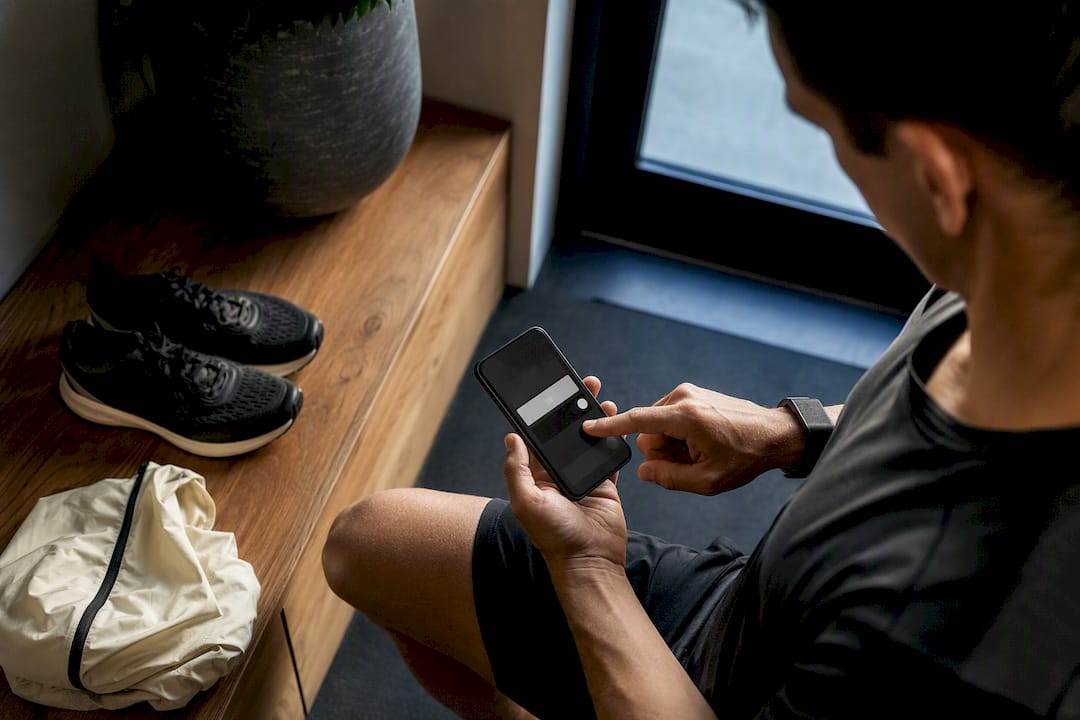
Pro Tip: Download your playlist or track before you leave the house. A dropped connection mid stride breaks focus faster than almost anything else, and it forces you to fumble with your phone instead of watching the road.
Does Combining Running and Meditation Actually Work?
The evidence says yes, and it’s not just a feeling. Runners have long used the sport’s natural rhythm as a form of mindful movement, and the research on adaptive audio adds hard data to that intuition.
What the research found: the RunMe adaptive sound study showed that adaptive audio outperformed both static music and silence across four measures: attention regulation, body awareness, exercise motivation, and mindfulness.
Practical gains show up fast for most runners:
- Sharper focus on breath and stride instead of a wandering mind
- Better pacing awareness, since sound cues can reinforce a rhythm
- Lower perceived stress during the run itself
- More enjoyment, which matters for sticking with the habit
None of this replaces sleep, therapy, or a clinical intervention. It’s a mindfulness tool for the road, not a substitute for the basics your body actually needs to recover.
How Do You Practice Running Meditation With Music?
The routine is simple once you’ve done it a couple of times. Here’s a sequence that works for most run lengths.
- Check your setup before you leave. Confirm your playlist or track length matches your planned run, charge your device, and set volume low enough that you can still hear traffic or other runners.
- Start with a short warm-up. Walk or jog easy for a minute or two, and use that window to notice your breath and posture before the tempo picks up.
- Sync to an audio cue. If you’re using adaptive music or a BPM-matched track, let the first minute settle your stride into the beat rather than forcing it.
- Anchor your attention as you run. Pick one anchor, breath, footstrike, or the texture of the sound, and return to it every time your mind drifts. A guided voice track does this reorienting for you automatically.
- Let a guided cue reset you if needed. If you’re using a narrated track, lean on the prompts when your focus slips instead of fighting distraction alone.
- Cool down with slower audio. Shift into a quieter or slower section for the last few minutes, and if your track allows it, close with a short body scan or a few rounds of breath-focused counting.
Pro Tip: If your playlist doesn’t naturally slow down at the end, save a two or three minute ambient track separately and switch to it manually as your cool-down cue. Your body responds to the tempo drop almost like a signal to relax.
How Do You Choose the Right BPM and Track Type?
Cadence is the number that matters most, and it’s easy to measure. Count your left foot strikes for 30 seconds and multiply by four, or check the cadence reading on a running watch if you have one. Most recreational runners land between 150 and 180 steps per minute, and matching music to that range is what makes the rhythm feel effortless instead of forced.
A practical rule from field practitioners is to stay within a 4–10 BPM window around your measured cadence. Go outside that window and your stride starts fighting the beat instead of following it.
- Instrumental ambient tracks carry lower attention load, which suits longer meditative runs where you want to stay with your breath.
- Narrated guided runs work better for shorter sessions or when you want structure, since the voice does some of the focusing work for you.
- BPM-labeled albums, like collections explicitly marked 185 bpm, give you a shortcut if you don’t want to calculate cadence yourself.
Safety matters as much as tempo. Keep one ear open if you run near traffic, cap volume so you can hear your surroundings, and treat any track that spikes tempo suddenly as a cue to check your form, not a reason to sprint blindly.
Why Adaptive, Biodata-Synced Audio Beats Static Playlists
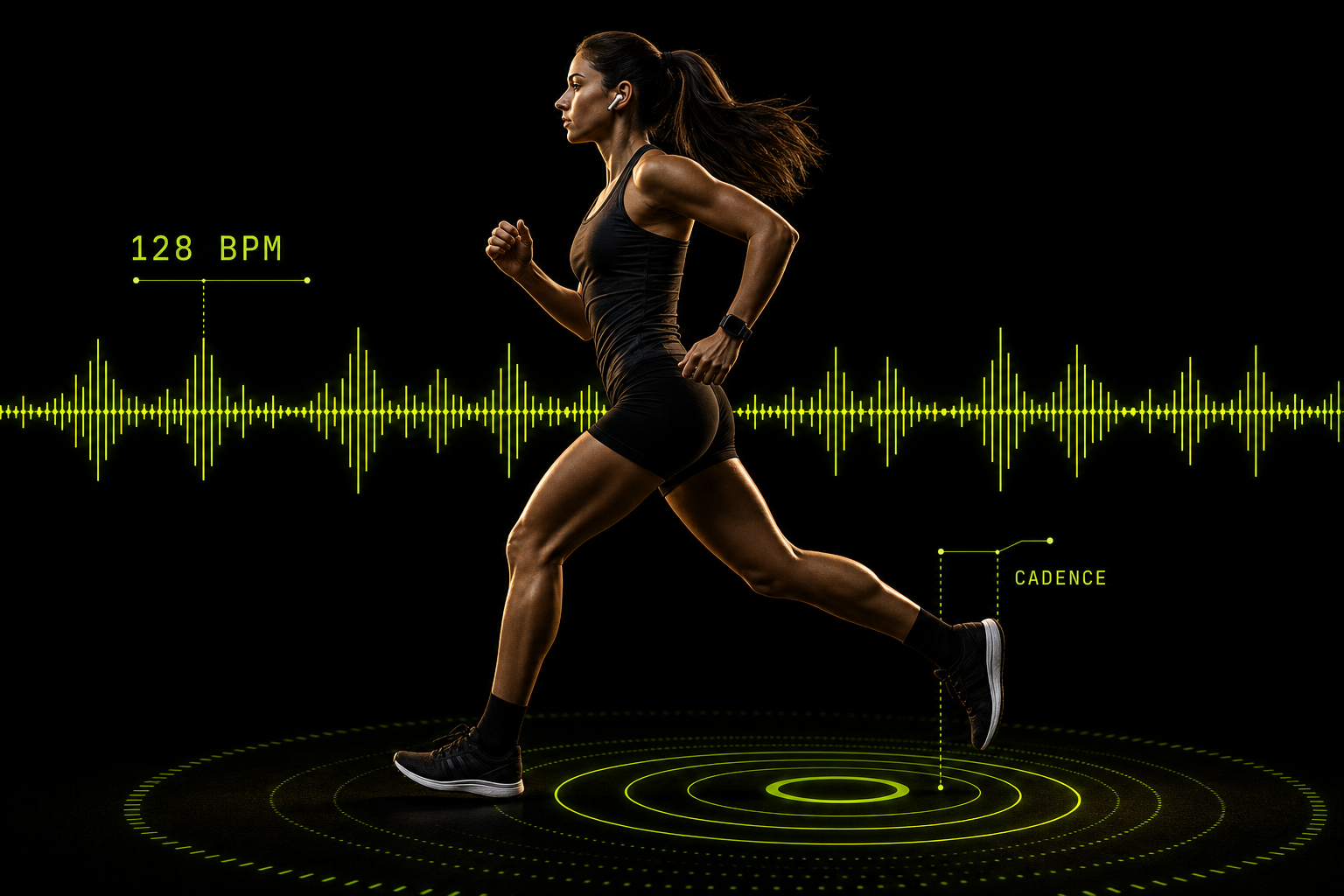
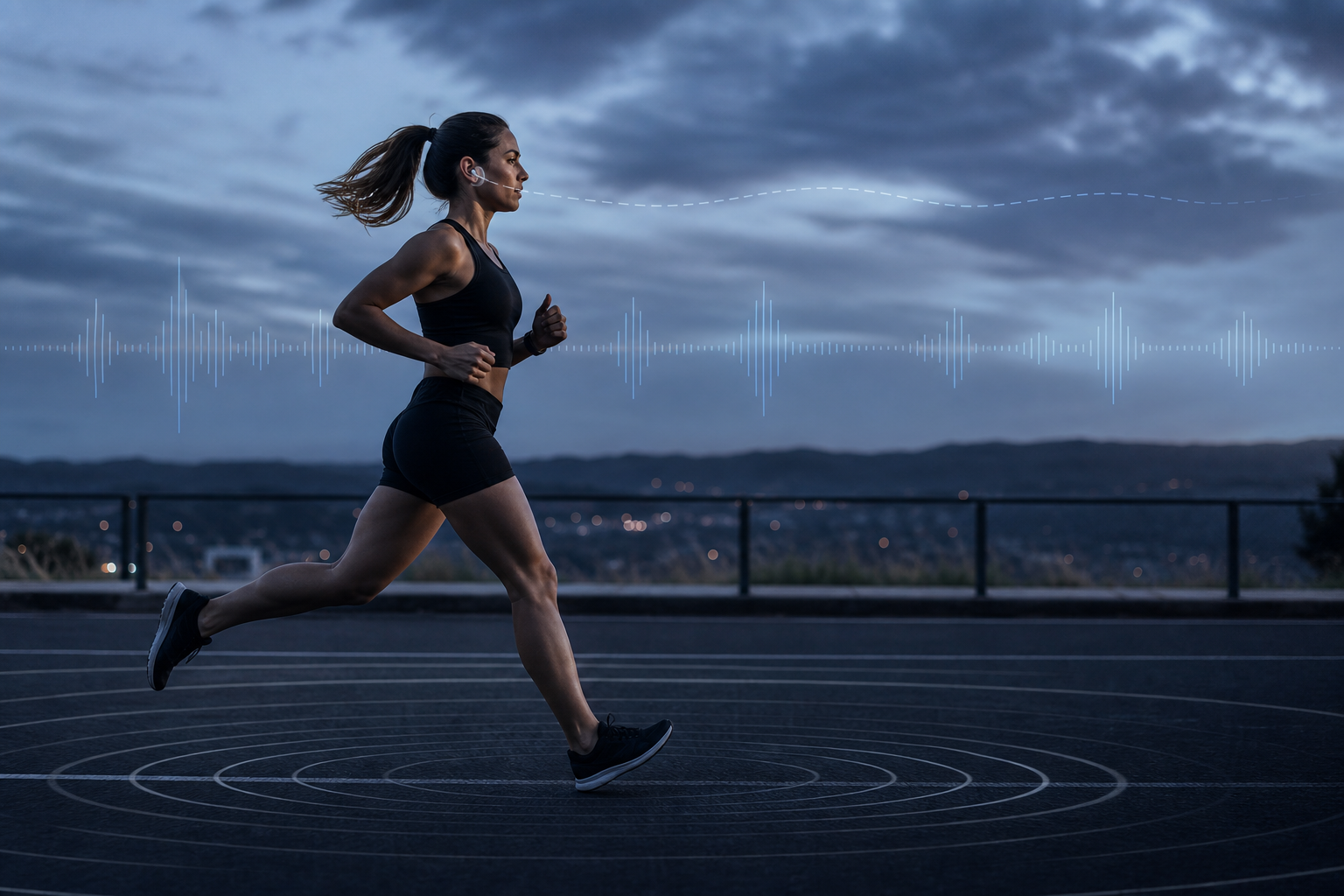
Static playlists are a fixed guess at what your body needs. Adaptive systems remove the guesswork by reading your cadence and heart rate in real time and adjusting tempo, layering, or voice placement to match.
The RunMe study found that this kind of adaptive sound consistently beat both static music and running in silence on attention regulation, body awareness, motivation, and mindfulness, the four things that actually define a good meditative run.
The mechanism is straightforward: your brain spends less effort trying to match your stride to a beat that doesn’t fit, which frees up attention for breath and body sensation instead. That’s the core insight behind Repbeats, which reads live wearable data from devices like Apple Watch and Fitbit and updates BPM every bar through its auto-DJ engine. In practice, that means:
- Tempo shifts smoothly as your heart rate climbs or your cadence drops, no manual skipping required
- Guided meditation programs adjust pacing to your actual effort level instead of a fixed script
- You spend less time fiddling with playlists and more time actually running
What Are Some Good Running Meditation Tracks to Try First?
A few named tracks make a solid starting point if you’d rather try something concrete than build a playlist from scratch.
- “Running Meditation - Guided” by Kelly Howell, around 30 minutes, narrated, best for a steady mid-distance run where you want voice guidance the whole way.
- “Steady Running - 45 Min” by Endel, a continuous ambient soundscape with no track breaks, suited to longer runs where you want to stay in one mood.
- Run with Headspace playlist, a mixed set of ambient and melodic tracks, flexible enough for shorter or interval-style sessions.
Test any new track on a short run first. If the tempo feels off against your cadence, swap it before committing it to a longer session.
What I’ve Learned About Tempo, Breath, and Mindful Running

The single biggest mistake runners make with meditation music is picking a track for its mood instead of its tempo. A calming song that sits 15 BPM off your cadence will pull your stride apart faster than a loud one that matches it. Stick to that 4–10 BPM window and most of the mental noise falls away on its own.
I’ve watched a first-time meditative runner go from checking their phone every few minutes to forgetting it was even playing, simply because the tempo stopped fighting their legs. That’s the whole point.
— Jordan Mills
Try Repbeats for Adaptive Running Meditation Music
Repbeats builds the exact adaptive experience this article recommends: BPM that updates every bar based on your live heart rate and cadence, guided meditation programs alongside cardio tracking, and direct integration with wearables like Apple Watch and Fitbit. Instead of hunting for a track that happens to match your stride, the app matches itself to you, in real time, for both hard runs and slow meditative ones.
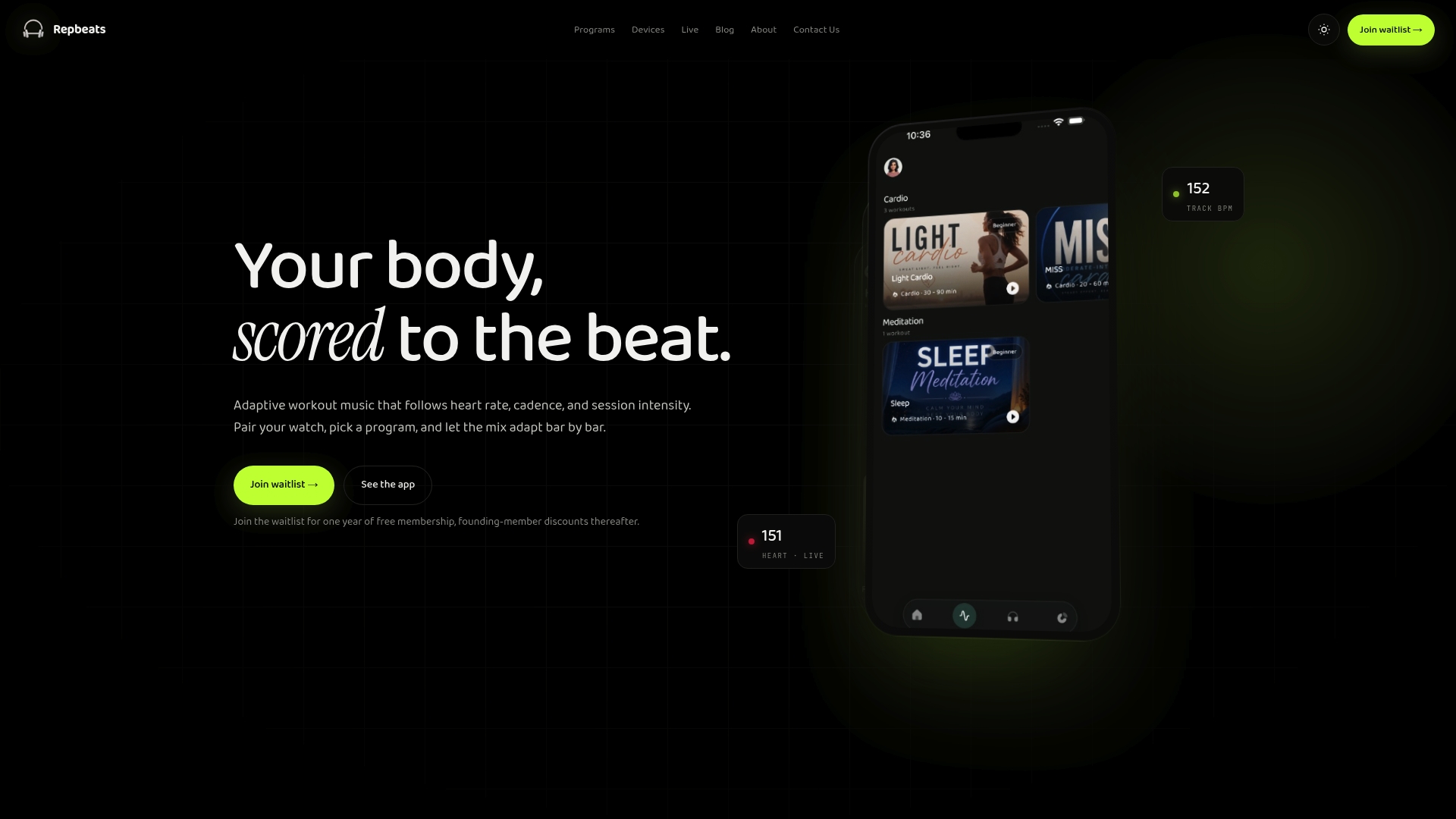
Getting started takes a few minutes. Head to Repbeats, connect your wearable, and try a guided run or a meditation session with your current free trial period active. If tempo mismatch has been the thing quietly ruining your mindful runs, this is the fastest way to find out what a properly synced soundtrack feels like.
Sources
- RunMe: An adaptive sound system for running meditation
- Mindful
- Running Meditation - Guided - Kelly Howell (Spotify)
- Steady Running - 45 Min by Endel (Audiomack)
- Run with Headspace - playlist (Spotify)