Cut Peak Impact 5.6% With Metronome for Recreational Runners
Jordan MillsOctober 3, 2026 · 9 min read

Cut Peak Impact 5.6% With Metronome for Recreational Runners
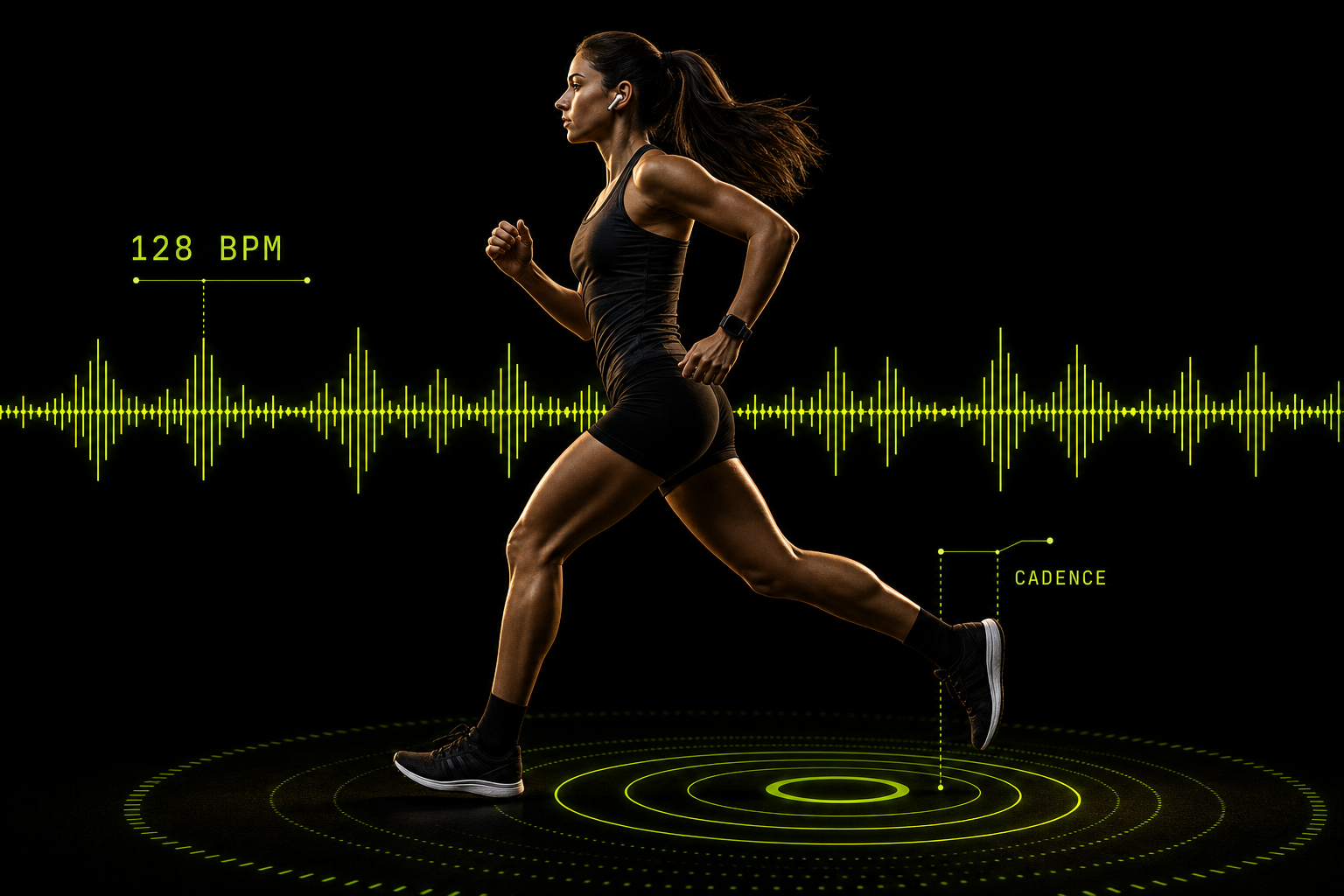
Yes, a metronome can help most runners by making cadence consistent, lowering impact forces, and improving rhythm. For runners dealing with overstriding, inconsistent rhythm, or recurring impact-related pain, this small, measurable change is one of the more reliable levers available.
TL;DR:
- Increasing cadence by 5 to 10% can reduce impact forces by about 5.6 to 7.3%, lowering injury risk, especially for runners with impact-related pain.
- Most runners need four to six weeks of consistent metronome training to feel natural, with early sessions potentially feeling more tiring or awkward.
- Using a metronome is ideal for strict cadence control during drills and rehab, while motivational music may be better for longer, easy runs.
- Incorporating cadence work with strength training and gradual mileage increases enhances adaptation and reduces overload risks.
- Runners with stable, efficient form and no pain should prioritize other training aspects over cadence-focused interventions.
Table of Contents
- What Running Cadence Is and Why It Matters
- Biomechanical Benefits and Injury-Prevention Evidence
- How to Use a Metronome for Cadence Training
- Metronome Versus Music for Cadence Training
- Adaptation Timeline and What to Expect
- Who Should Prioritize Metronome Training
- Repbeats: Syncing Your Beat to Your Run
- FAQ
- Sources
What Running Cadence Is and Why It Matters
Cadence is simply how many steps you take per minute, often written as SPM or steps per minute. You can measure it by counting your steps on one foot for 30 seconds and multiplying by four, or by checking the cadence metric most running watches and phone apps already track.
Cadence and stride length work together to determine your pace. Lower your cadence at a given speed and your stride length has to grow to compensate, which usually means your foot lands farther out in front of your hips. That extended landing position creates a braking effect each time your foot strikes the ground, since the leg acts more like a lever absorbing shock than a spring continuing forward motion. Raising cadence modestly shortens each stride and tends to move the landing point closer under the body, reducing that braking force.
Cadence work matters most in a few specific situations:
- You are recovering from or managing recurring knee or shin pain linked to impact loading.
- Your stride feels inconsistent or your pace drifts noticeably during longer runs.
- A coach or physical therapist has flagged visible overstriding in your running form.
- You are returning to run after time off and want to rebuild efficient mechanics early.
For runners without any of these issues, cadence may already be close to optimal for their body and pace, and chasing a higher number offers little benefit.
Biomechanical Benefits and Injury-Prevention Evidence
The research on cadence and injury risk is more specific than most running advice. A systematic review of running cadence and biomechanics found that a moderate cadence increase of 5 to 10% above habitual cadence consistently reduces vertical ground reaction forces and lowers loading rates, while also shortening stride length and improving lower-limb alignment.
A 7.3% cadence increase during an outdoor metronome-guided run produced a 5.6% drop in average peak impact force, according to a field study using insole sensors. That study also found concurrent auditory feedback, meaning a beat matched to each step in real time, to be a practical and effective way to deliver cadence cues outdoors through wearable devices rather than only in a lab.
| Study type | Cadence change | Measured effect |
|---|---|---|
| Systematic review, multiple studies | 5-10% increase | Reduced vertical ground reaction forces and loading rates; knee impact reductions near 20% in some studies |
| Outdoor field study with insole sensors | 7.3% increase | 5.6% reduction in average peak impact force |
These numbers come with real limits. Cadence retraining is not a guaranteed fix for injury, and individual runners adapt differently depending on body mechanics, running history, and the specific tissue under stress. Clinical commentary on biomechanics and injury prevention stresses that cadence changes work best as part of a broader program that includes strength training and gradual volume increases, not as a standalone cure. The good news is that metabolic cost typically does not rise meaningfully with a modest cadence increase, and in some runners it may even improve slightly as mechanics become more efficient.
How to Use a Metronome for Cadence Training
Start by establishing your baseline cadence over a few easy runs, using either a watch’s cadence display or a manual 30-second count.
Three session formats cover most training needs, and following a coach-backed cadence improvement plan can help structure these sessions effectively:
- Cadence drills: 10 to 20 minutes at the start of an easy run, focused purely on matching the beat with short strides.
- Tempo runs with cadence focus: maintain your target cadence throughout a moderate-effort tempo session to reinforce the pattern under load.
- Long-run maintenance segments: insert 5 to 10 minute blocks of metronome-paced running inside a longer, easier run to practice the pattern when fatigued.
Most GPS running watches include a built-in metronome or cadence alert feature, and standalone metronome apps on your phone work well paired with wired or Bluetooth earbuds. Some runners prefer a dedicated metronome app built for wearable syncing, which can simplify the setup compared to manually adjusting a generic metronome app mid-run. Whatever tool you choose, keep perceived effort in check during the adjustment period and avoid increasing weekly mileage at the same time you are changing cadence.
Keep strength work for hips and ankles in the mix throughout, and treat rest days as part of the adaptation process rather than an interruption to it.
Pro Tip: Practice your first few cadence sessions on a treadmill, where the pace is fixed, before taking the beat outdoors where pace naturally drifts.

Metronome Versus Music for Cadence Training
A metronome gives you the single clearest, most consistent beat available, which makes it the most reliable tool for hitting a specific cadence target. A study comparing music and metronome cueing for step rate found that both methods raised step rate in controlled trials, with no meaningful biomechanical differences between the two groups, but music produced stronger motivational outcomes and lower perceived exertion.
That tradeoff shapes which tool fits which runner:
- Choose a metronome when strict cadence consistency is your main goal, especially during focused drills or rehab-style sessions.
- Choose beat-synchronous music when motivation and enjoyment matter more, such as on a long easy run where a plain click track feels tedious.
- Test both: a side-by-side comparison of metronome and music cueing over a short run can reveal which one you naturally lock onto faster.
- If using music, pick tracks with a strong, steady beat near your target cadence rather than relying on tempo alone.
Separate lab research on auditory-motor synchronization and running performance found that both metronome and motivational music extended time to exhaustion compared with running without any audio cue, with both conditions helping runners hold a more consistent cadence under fatigue.
Adaptation Timeline and What to Expect
Most runners need roughly four to six weeks before a new cadence feels natural rather than deliberate. The first several sessions can feel awkward or even more tiring than usual, since your nervous system is relearning a movement pattern it has repeated thousands of times at the old rhythm. Clinical guidance from Wexner Medical Center recommends targeting a percentage increase over your own baseline rather than chasing a universal number like 180 SPM, and suggests practicing on a treadmill first to stabilize pace before taking the beat outdoors.

Pairing cadence work with hip and ankle strength exercises, plus a gradual mileage plan, reduces the risk of overloading tissues during the transition. Wearable-synced auditory cues that update automatically with your pace can ease this process by removing the need to manually reset a tempo mid-run.
Pro Tip: If a session feels harder than your easy pace should, that is a signal to dial the cadence target back closer to your baseline rather than push through.
Who Should Prioritize Metronome Training
Metronome work earns its place for runners with clear overstriding patterns, recurring impact-related pain, or cadence that swings widely between runs. If your form already looks efficient at your training pace and you are injury-free, this is not where your limited training time is best spent. Runners nursing an acute injury should prioritize rehab and strength work first, and treat cadence retraining as a secondary, time-limited intervention to reassess once the underlying issue resolves.
— Jordan Mills
Repbeats: Syncing Your Beat to Your Run
We built our app around a simple idea: your workout soundtrack should move with your effort instead of sitting at a fixed tempo. Using live data from wearables, our app matches music tempo to your heart rate, cadence, and session intensity, and auto-DJ technology updates the beats per minute every bar so the rhythm keeps pace with you automatically.
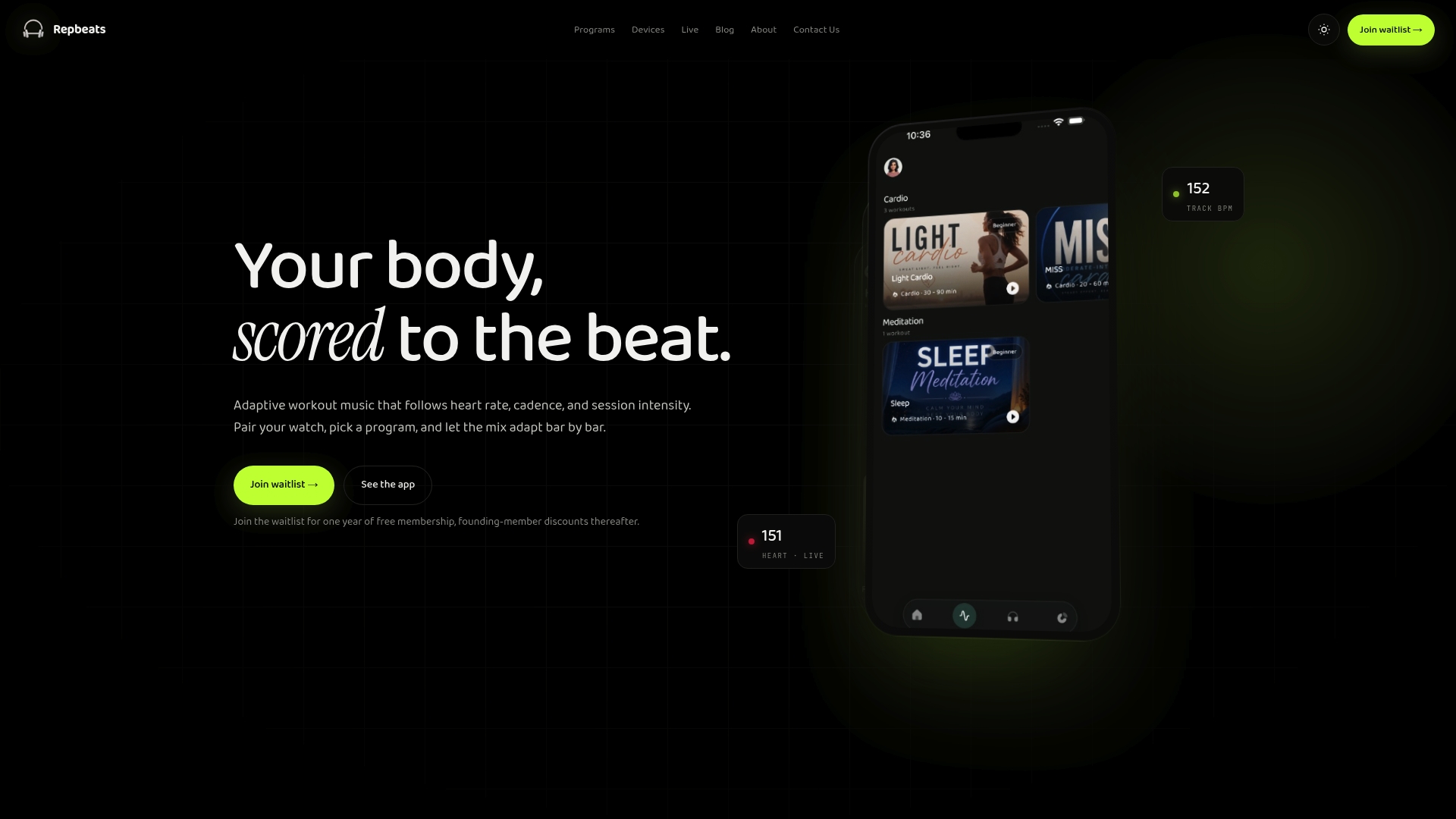
For cadence-focused sessions, that means no manual tempo adjustments mid-run. The beat simply tracks your target cadence as you move through drills, tempo work, or long-run segments. If you want a wearable-synced setup that handles the beat-matching for you, you can try Repbeats and build your sessions around music that adapts with every run.
FAQ
Is it good to run with a metronome?
Yes, running with a metronome is a practical way to control cadence, and research links moderate cadence increases to reduced impact forces and more consistent stride mechanics. It works best as a focused tool for a few weeks rather than a permanent fixture in every run.
Is 170 BPM a good running cadence?
There is no single ideal cadence that fits every runner, since the right number depends on your height, pace, and current habitual cadence. Rather than targeting a fixed figure, clinical guidance recommends increasing your own baseline cadence by roughly 5 to 10%.
What is the 80% rule for running?
It is not a cadence guideline, so it should not be confused with the 5 to 10% cadence increase recommendation discussed here.
What are the benefits of tempo running?
Tempo runs train your body to sustain a comfortably hard pace for an extended period, building the physiological base for faster race efforts. Adding a cadence focus to a tempo run, using a metronome or beat-synced music, can reinforce efficient stride mechanics while you are also building aerobic capacity.
Does a metronome help with pacing consistency?
A metronome can help stabilize your stride rhythm, which indirectly supports more even pacing since erratic cadence often accompanies pace drift. Studies on auditory cueing during running found that both metronome and music cues helped runners maintain cadence even as fatigue set in.
Sources
- The Influence of Running Cadence on Biomechanics and Injury Prevention: A Systematic Review - PMC
- The Power of Auditory-Motor Synchronization in Sports: Enhancing Running Performance by Coupling Cadence with the Right Beats | PLOS One
- Study comparing music and metronome auditory cueing for running step rate and biomechanics - PubMed