Sprint Workout Music: BPM Playlists That Match Your Cadence
Jordan MillsAugust 25, 2026 · 9 min read
Sprint Workout Music: BPM Playlists That Match Your Cadence
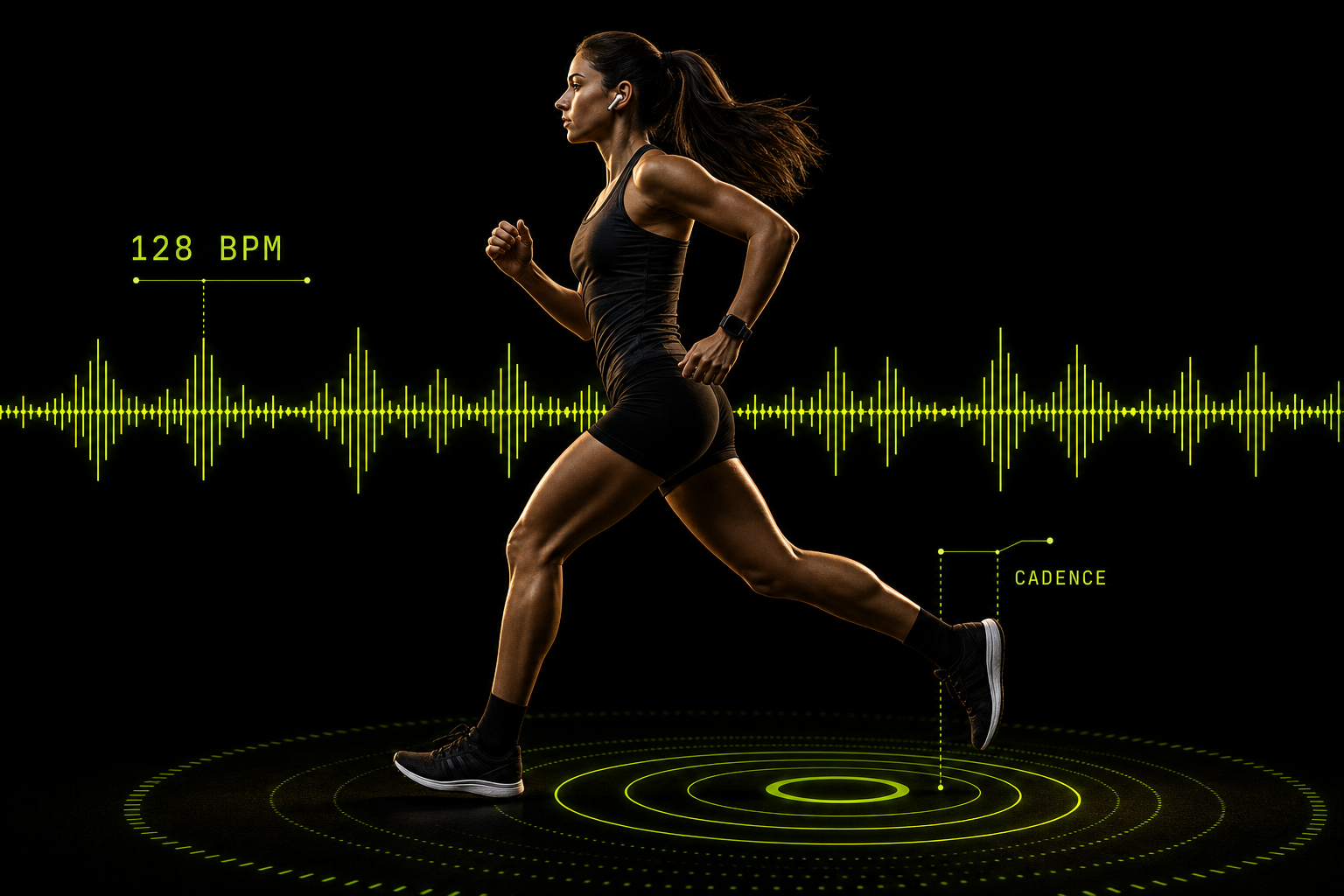
The best sprint workout music sits between 160 and 190 BPM, matched to your target step rate so every beat lands on a foot strike. Apps like Repbeats do this automatically, adjusting tempo in real time using your heart rate and cadence data from wearables like Apple Watch or Fitbit. If you’d rather build your own list, pick a BPM band for your session type and stack tracks that hold that tempo without dragging.
TL;DR:
- Matching music tempo to your cadence ensures each foot strike hits a beat, improving form during high-intensity sprints.
- Using tracks between 160 and 180 BPM is most effective, with specific ranges aligned to different workout types.
- Building a playlist involves measuring your steps per minute, then selecting songs with matching BPM to maintain consistent stride rates.
- Adaptive music systems like Repbeats automatically adjust BPM during workouts, keeping rhythm aligned with your heart rate and cadence.
- Properly timing warm-up, work intervals, and cooldown music helps optimize recovery and mental focus during sprint sessions.
Table of Contents
- Best Sprint Playlist Options for Every Interval Type
- How Do You Build a Playlist Matched to Your Cadence?
- How Do You Use Music During a Sprint Session?
- What Does Adaptive Tempo Music Do for Sprint Training?
- What Music Should You Play Before and After Sprints?
- What I’ve Learned Coaching Runners With Music
- Try Repbeats for Sprint Workouts That Stay on Beat
- Quick Links for BPM Playlists and Coaching Guidance
- Sources
Best Sprint Playlist Options for Every Interval Type
You don’t need a music degree to build a sprint playlist that actually works. You need the right tempo band for the work you’re doing, and a few reliable places to find it.
High-BPM compilations built for fitness use are everywhere now, with curated sets running 160 to 188 BPM already assembled for exactly this purpose. Techno and drum & bass remixes dominate these lists for a reason: their rigid, unwavering beat grid makes them far easier to run to than pop songs with tempo drift baked into the production. Runner’s World has pointed to this same effect, noting that high-energy tracks help athletes push through the “gasping-for-air” stretch of a hard interval by giving the body something rhythmic to lock onto during sprinting sessions.
Match the BPM to the work, not the other way around:
- 160 to 170 BPM: short recovery-heavy intervals, tempo repeats, and stride work where you want quick turnover without maxing out.
- 170 to 180 BPM: classic sprint intervals, 200s and 400s where cadence needs to climb but form still matters.
- 180+ BPM: top-end cadence drills and flying sprints, where you’re chasing a stride rate near or above 180 steps per minute.
Playlists built specifically for the top band exist too. Search-friendly titles like “Running Fast 180 to 190 BPM” show up on major streaming platforms and get used by runners chasing exactly this kind of cadence work. Consistent BPM across a playlist keeps your form from leaking. When tempo jumps around, your stride rate follows it, and that’s when sprint mechanics fall apart.
How Do You Build a Playlist Matched to Your Cadence?
Building a sprint playlist that actually helps your form takes fifteen minutes and one number: your steps per minute.
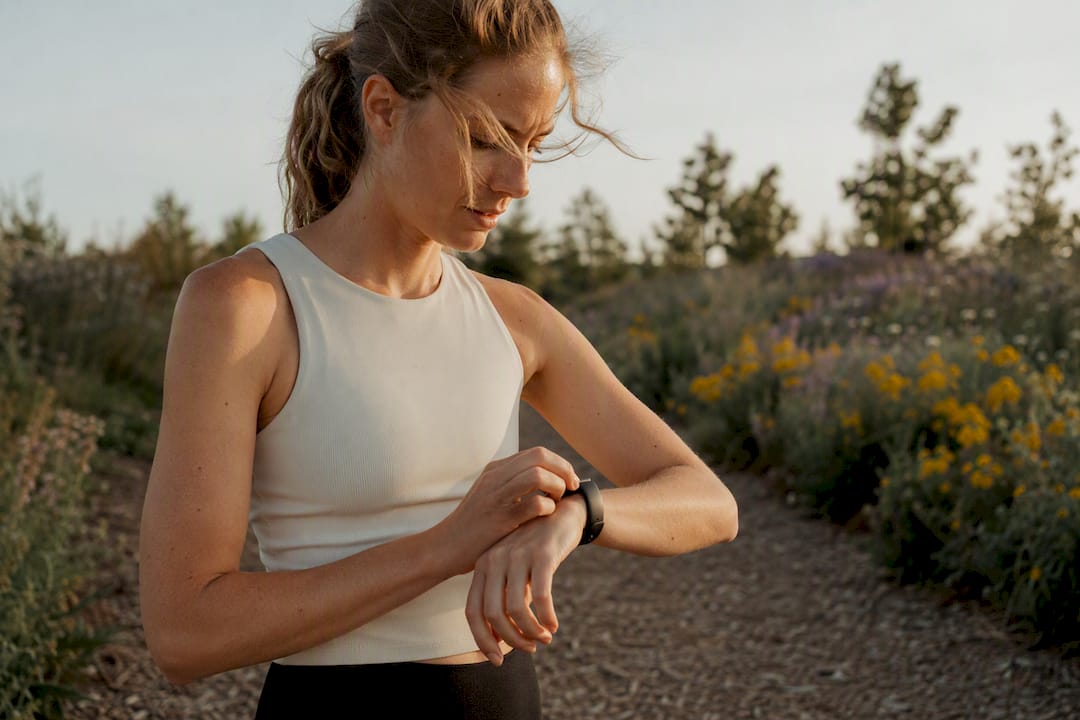
- Measure your cadence. Count foot strikes on one leg for 30 seconds during an easy run, then multiply by four. Most sprinters land somewhere between 170 and 190 SPM at top speed.
- Convert cadence to target BPM. If you’re hitting a target step rate near 180 SPM, look for tracks with a matching BPM near that target. Marathon Handbook’s coaching guidance backs this exact approach: match the song’s BPM to your steps per minute rather than picking something that just feels fast.
- Find the BPM. Use an in-app BPM filter on your streaming service, a dedicated BPM lookup tool, or the old tap-along method where you tap a beat counter app for 15 seconds.
- Arrange the sequence. Start with a warm-up block around 120 to 140 BPM, climb into your work interval tracks, drop back down for recovery, then ease into a slower cooldown stretch.
- Match track length to interval duration. A 30 second sprint doesn’t need a 4 minute song with a 20 second intro. Look for short edits or cue up the track’s hook directly.
- Test it before race day. Run through the whole playlist on an easy jog first to check transitions land where you expect them.
Pro Tip: Don’t jump your target cadence more than 10 steps per minute at a time. Coaches recommend progressing gradually, say from 170 to 180 SPM over several sessions, so your form has time to catch up to the new rhythm instead of breaking down under it.
How Do You Use Music During a Sprint Session?
The beat works as a metronome, not just background noise. Coach Katelyn puts it plainly: “Every time you hear a beat, you want a foot to be hitting the pavement,” a cue that turns BPM into a coaching tool instead of just entertainment. Once you internalize that rhythm, you start correcting your own stride rate mid-interval without needing a coach yelling numbers at you.
Practical timing matters as much as song choice:
- Cue your track to start right as your interval begins, not a few seconds early or late.
- Lower the volume (don’t kill it) when a coach needs to call splits or when you’re running in a group.
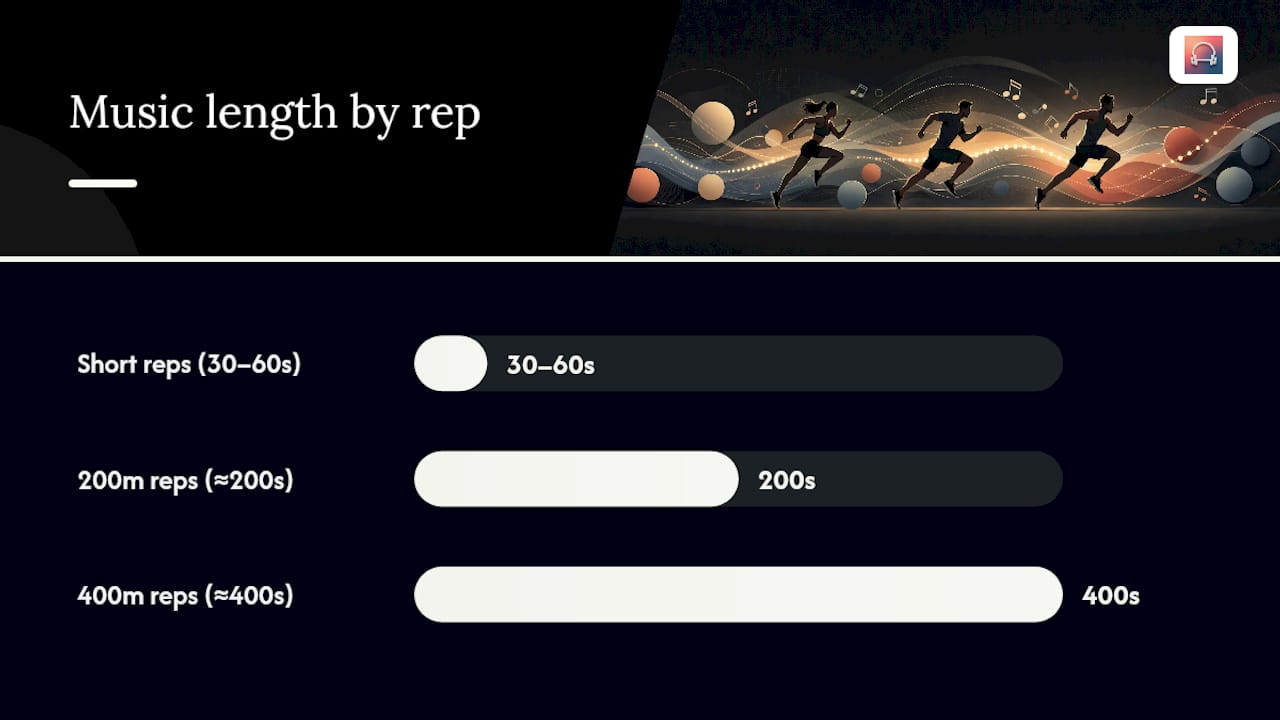
- For 30 to 60 second reps, use short high-energy clips rather than full songs. For 200s and 400s, a full track usually covers the whole effort.
- Keep one earbud out, or your volume at a level where you can hear traffic and other runners, especially on shared paths or roads.
Runner’s World has documented how music acts as a kind of psychological bridge during sessions runners actively dislike, helping maintain output through the parts of a workout that feel worst. That’s not a small effect when the alternative is grinding through a 400 rep with nothing but your own labored breathing for company, and it lines up with why runners tolerate high-intensity track work better with the right soundtrack running underneath it.
What Does Adaptive Tempo Music Do for Sprint Training?
Static playlists have one flaw: they don’t know what your body is doing. Adaptive systems fix that by reading live data and adjusting the music to match.
Adaptive music that changes tempo every bar removes the mental work of picking the next song mid-workout. It keeps rhythm consistent through the transition from a hard rep straight into recovery, which is exactly the moment most manually built playlists fall apart.
Repbeats runs on this principle. It pulls live data from wearables like Apple Watch and Fitbit and its auto-DJ engine updates BPM every bar, so the tempo climbs as your heart rate and cadence climb, and eases back down the second you hit recovery. You’re not skipping tracks or guessing which song fits the next rep.
What that gets you in practice:
- Cadence stays locked to the beat without you manually switching songs between reps.
- Transitions between work and recovery happen smoothly instead of jarring you out of rhythm.
- Motivation holds steady across a full interval set instead of fading once your favorite song ends.
Setup takes three steps: connect your wearable, choose a sprint or interval program, and enable adaptive BPM. For more on the cadence side of things, Repbeats’ guide on finding songs by BPM and its breakdown of using wearable cadence data both walk through the mechanics in more detail.
What Music Should You Play Before and After Sprints?
Warm-ups, hype tracks, and cooldowns each need their own tempo, and treating them the same as your main set is a common mistake.
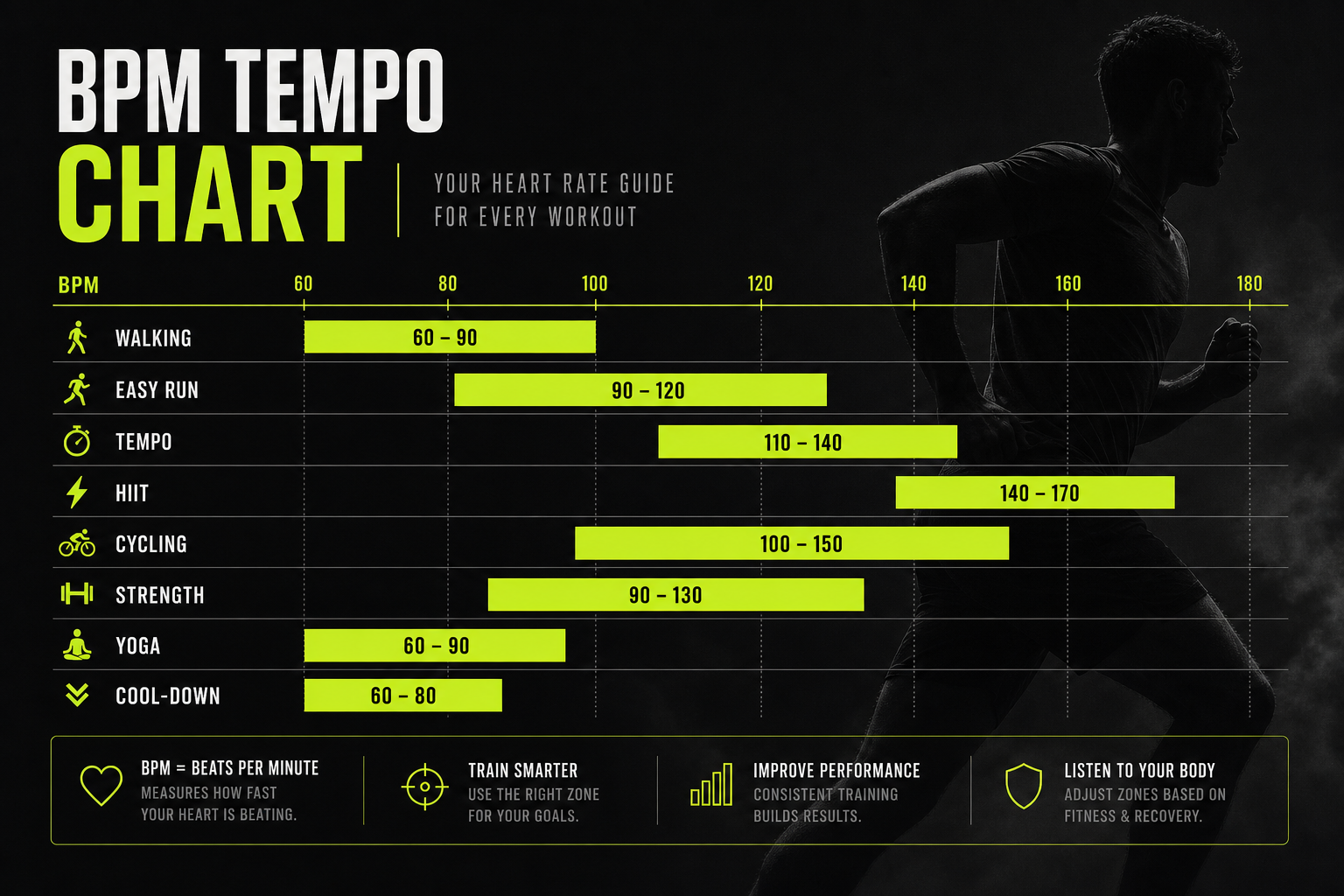
- Warm-up (100 to 130 BPM): something with steady groove but no urgency yet, easing your legs and mind into the session.
- Pregame hype (any BPM, high energy): short, punchy tracks with a strong drop or hook, 60 to 90 seconds of pure arousal before the first rep.
- Cooldown (90 to 110 BPM): slower, steadier tracks that help your heart rate and breathing settle instead of staying keyed up.
Skipping the cooldown tempo shift is easy to overlook, but it matters. Recovery starts faster when the music stops telling your nervous system to keep sprinting.
What I’ve Learned Coaching Runners With Music
I once watched a runner shave three seconds off her 400 repeats simply by switching from a shuffled playlist to one locked at her target cadence. Nothing else changed. Two shortcuts hold up under fatigue: pick a track with an unmistakable beat (skip anything with a soft or buried kick drum), and let the chorus, not the intro, mark your interval start. One last thing: always check your volume before you step onto a road or shared path.
— Jordan Mills
Try Repbeats for Sprint Workouts That Stay on Beat
Manually hunting for 180 BPM tracks between reps gets old fast, and static playlists can’t react when your pace does. Repbeats solves that by reading your heart rate and cadence live and adjusting the beat every bar, so the tempo actually tracks what your body is doing instead of a fixed list you built the night before.
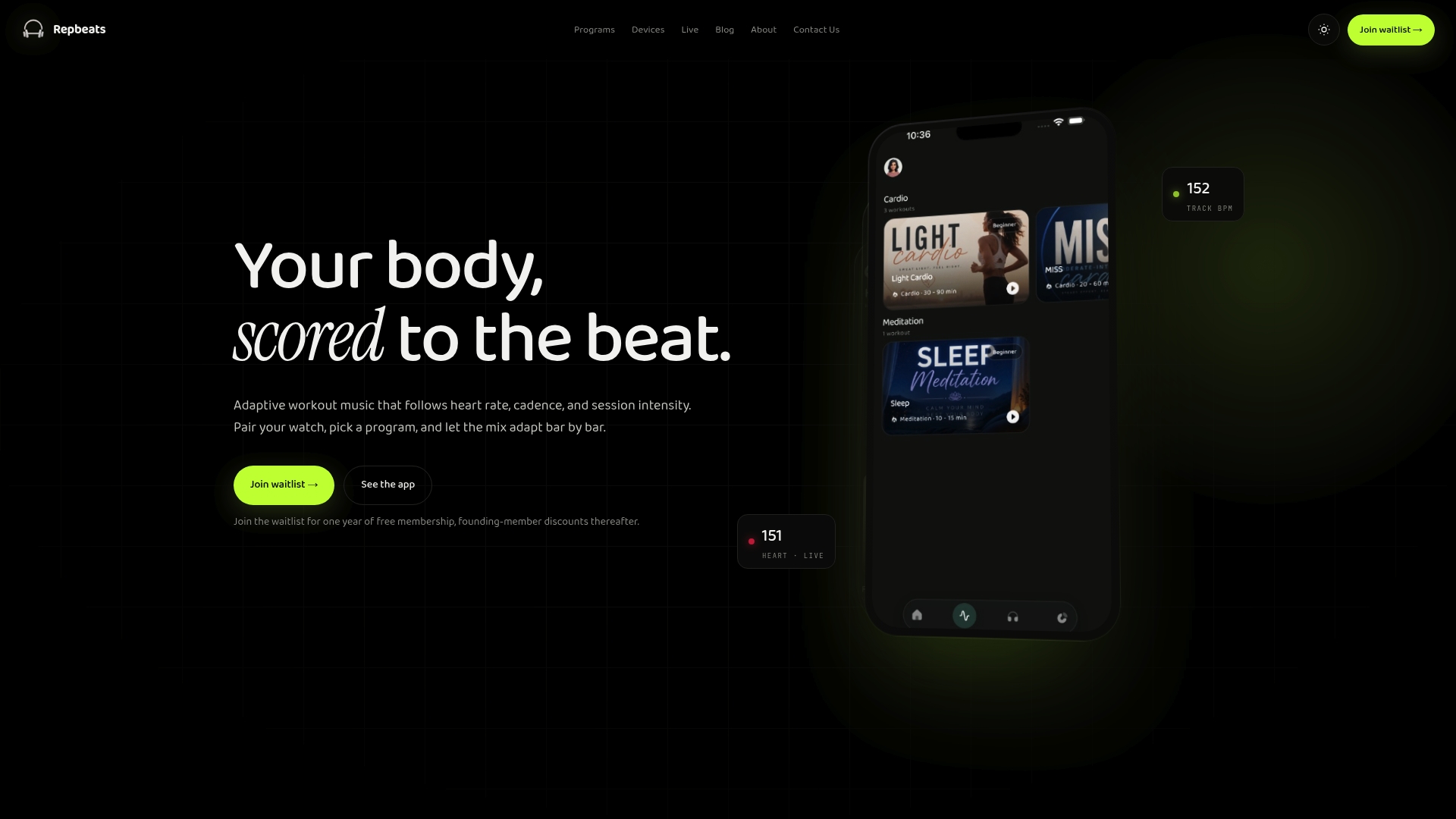
Runners doing repeat sprints, cadence drills, or mixed interval sessions get the most out of it, since those are exactly the workouts where tempo needs change mid-session. A good first test: load an interval program, connect your wearable, and run a simple set of 400s with adaptive mode on to feel the tempo shift as you move from work to recovery. Head to Repbeats to start a sprint session and hear the difference for yourself.
Quick Links for BPM Playlists and Coaching Guidance
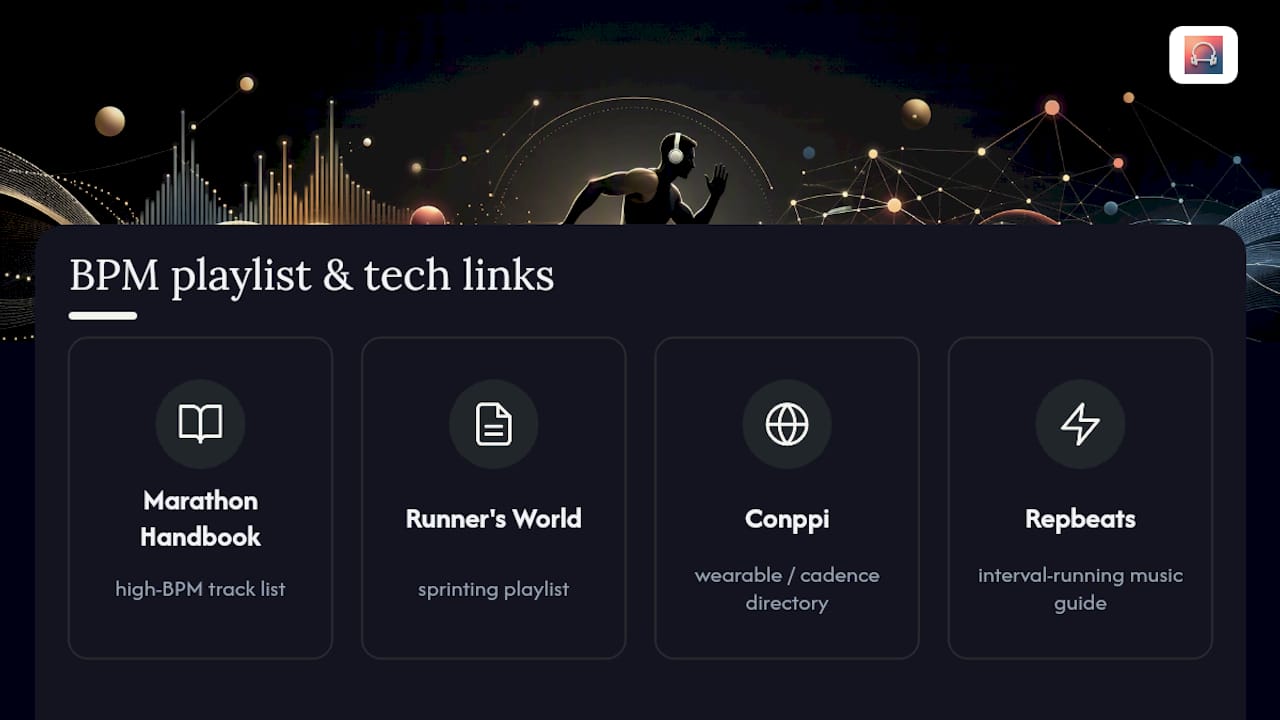
For more on BPM ranges and pacing, see Marathon Handbook’s high-BPM track list and Runner’s World’s sprinting playlist. For wearable and cadence tech, check Conppi’s sports partner directory and Repbeats’ guide on interval running music.